
Free delivery is available on orders of Rs. 2,000 or more. Shop Now
Certified
Natural Health Solutions Archives - Blossom Labs

Category Archives: Natural Health Solutions

Natural Remedy for Acid Reflux in Pakistan: Ending the Burn of GERD

natural remedy for acid reflux

In Pakistan, our love for spicy karahis, late-night tikka sessions, and constant cups of strong doodh patti often comes with a painful price: Chronic Acid Reflux. When that burning sensation in your chest becomes a frequent visitor, it’s no longer just a “heavy stomach”β€”it is likely GERD. This occurs when the Lower Esophageal Sphincter (the valve between your food pipe and stomach) weakens, allowing harsh stomach acid to flow upward. Acid reflux is more than occasional heartburn. For many people in Pakistan, it has become a chronic condition known as Gastroesophageal reflux disease (GERD)β€”a digestive disorder where stomach acid frequently flows back into the esophagus. This guide explains the best natural remedy for acid reflux in Pakistan, focusing specifically on long-term GERD managementβ€”not temporary stomach pain solutions. What Is GERD and Why Is It So Common in Pakistan? GERD occurs when the lower esophageal sphincter (LES) weakens or relaxes inappropriately, allowing acid to move upward. Common GERD Symptoms: In Pakistan, GERD cases are rising due to Many people rely heavily on acid-blocking medicines, but long-term use of certain drugs may have side effects. For example, prolonged use of Proton pump inhibitor (PPIs) can sometimes lead to nutrient absorption issues if not monitored properly. That’s why more people are now looking for a natural remedy for acid reflux in Pakistan that supports long-term digestive balance. Best Natural Remedies for Acid Reflux (GERD) in Pakistan If you are tired of relying on antacids, here are the most effective natural remedies for GERD available in Pakistan. 1. Ispaghol (Psyllium Husk) – The Protective Shield While often used for constipation, Ispaghol is a powerhouse for GERD. It acts as a buffering agent, absorbing excess acid and creating a protective coating along the esophageal lining to prevent irritation. 2. Ginger (Adrak) – The Anti-Inflammatory Root Ginger is excellent for preventing the “backflow” of acid. It has natural anti-inflammatory properties that soothe the esophagus and help the stomach empty faster, reducing the pressure that causes reflux. 3. Cold Milk (Thanda Doodh) For immediate relief from a GERD flare-up, a few sips of cold milk can act as a natural antacid. The calcium in milk helps maintain the acid balance, while the cold temperature provides instant cooling to the burning food pipe. 4. Aloe Vera Juice (Kanwar Gandal) Just as Aloe Vera soothes a skin burn, its juice can soothe an “internal burn.” It reduces the inflammation in the esophagus caused by acid exposure. 5. Licorice Root (Mulethi) Licorice root, especially DGL (Deglycyrrhizinated Licorice), helps: It’s one of the most researched herbal supports for GERD symptoms. Lifestyle Tips for GERD Management In Pakistan, our lifestyle habits are often the biggest triggers for GERD. Small shifts can yield massive results: Why Many GERD Patients Prefer Natural Remedies in Pakistan People often shift toward herbal solutions because: The goal is not to eliminate stomach acid completelyβ€”acid is necessary for digestion. Instead, natural remedies aim to: When Should You See a Doctor? Natural remedies work well for mild to moderate GERD. However, consult a healthcare professional if you experience: Untreated GERD can lead to complications like esophageal damage over time. How to Choose the Right Natural Remedy for Acid Reflux in Pakistan When selecting a product: Combination herbal formulas often work better than single herbs because GERD is multi-factorial. Recommended Natural & Homeopathic Support: Blossom Labs (Pvt.) Ltd. If you’re looking for natural remedies and homeopathic solutions for acid reflux that are easy to access in Pakistan, one trusted name worth considering is Blossom Labs (Pvt.) Ltd.. Blossom Labs is a GMP-certified Pakistani healthcare company specializing in Herbal, Homeopathic, and Nutraceutical products formulated from natural ingredients and designed to support overall digestive wellness with minimal side effects. Here’s how Blossom Labs can support your GERD management naturally: Natural Digestive Support Syrups Herbal & Homeopathic Remedies for Gut Comfort Blossom Labs also offers a wider range of herbal and homeopathic medicines that support digestion and overall gut healthβ€”helping to soothe discomfort that often accompanies acid reflux and related digestive imbalance. Their products are formulated using nature-based botanicals and homeopathic principles, aiming for gentle support rather than harsh chemical suppression, which many GERD sufferers seek when managing symptoms long-term. FAQs 1. What is the best natural remedy for acid reflux in Pakistan? Herbs like aloe vera, licorice (DGL), fennel seeds, and ginger are commonly used. Lifestyle changes are equally important for managing GERD naturally. 2. Can GERD be permanently cured with natural remedies? GERD can be managed effectively, but it depends on lifestyle habits. Natural remedies help reduce symptoms and improve digestive strength over time. 3. Is it safe to stop acid reflux medicines and switch to herbal remedies? You should not stop prescribed medications suddenly. Always consult a healthcare provider before transitioning to natural remedies.
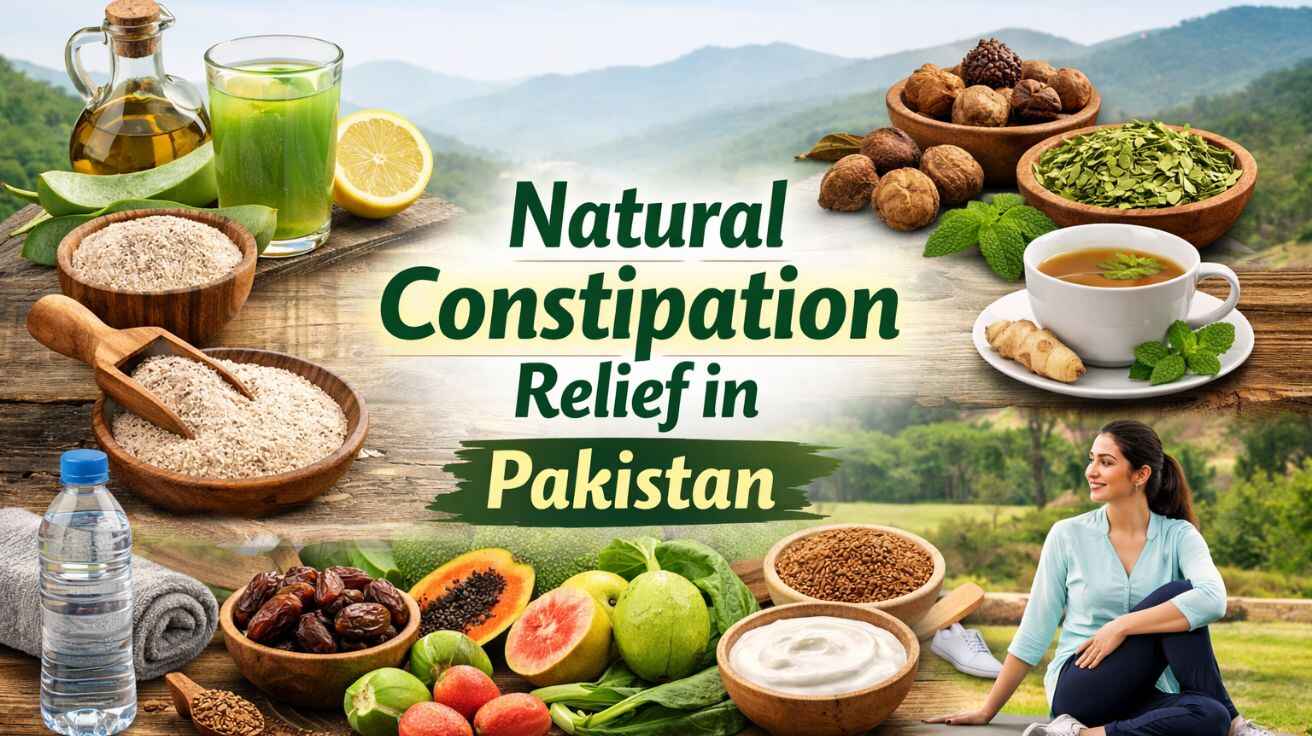
Natural Constipation Relief in Pakistan: Home Remedies for Fast Relief

Natural Constipation Relief in Pakistan

Constipation, or Ω‚Ψ¨ΨΆ in Urdu, is a common issue faced by people worldwide, including Pakistan. It refers to infrequent or painful bowel movements, often accompanied by discomfort or bloating. Natural constipation relief in Pakistan is highly achievable with the right diet, hydration, exercise, and a few effective home remedies. What Is Constipation (Ω‚Ψ¨ΨΆ)? Constipation occurs when your bowel movements become infrequent or difficult to pass. People typically experience fewer than three bowel movements a week, along with symptoms such as abdominal pain, bloating, and hard stools. It can be caused by a range of factors, including dehydration, a lack of fiber in the diet, and even stress.In Pakistan, Ω‚Ψ¨ΨΆ is a common complaint, particularly due to diet and climate conditions. Common Causes of Constipation in Pakistan In Pakistan, the causes of constipation are often related to diet and lifestyle. The high consumption of fried, oily foods like pakoras, along with low fiber intake, can lead to digestive issues.Inadequate water consumption, especially during hot summers, can also cause dehydration, making bowel movements harder. Furthermore, limited physical activity and the tendency to skip meals during busy schedules can exacerbate constipation. Understanding these factors is essential in preventing and addressing the problem effectively and achieving natural constipation relief in Pakistan. Quick Natural Remedies for Constipation (Fast Relief) When looking for quick relief from constipation, several natural remedies can be very effective. These include: Top Foods That Help Constipation Pakistan offers several local foods that can help alleviate constipation by boosting fiber intake and promoting digestion: Including these fiber-rich foods in your diet is one of the best ways to achieve natural constipation relief in Pakistan. Herbal Remedies for Constipation In addition to fiber-based remedies, herbal options can also provide significant relief. These include: These herbal remedies, when combined with high-fiber foods, offer natural constipation relief in Pakistan and can make a significant difference in your digestive health. Daily Routine for Relief & Prevention Adopting a daily routine focused on digestive health can significantly reduce constipation over time: With a consistent routine, you can maintain your digestive health and find natural constipation relief in Pakistan more easily. Gym & Exercise Tips (Daily Movement) Regular physical activity is one of the best ways to prevent constipation. Exercise stimulates the intestines, helping to move stool through the digestive tract. Aim for at least 30 minutes of moderate exercise every day. Simple activities like walking, jogging, cycling, or even a gentle yoga session can help improve bowel function. Incorporating exercises like abdominal twists and stretches can further encourage better digestion. Safety & Side Effects to Watch While natural remedies are generally safe, it’s important to follow proper dosages and use caution with certain methods: FAQs 1. What are the fastest natural ways to relieve constipation?To relieve constipation quickly, try drinking warm water with lemon, consuming aloe vera juice, or taking a tablespoon of olive oil on an empty stomach. These remedies help stimulate bowel movements and lubricate the digestive tract. 2. Which Pakistani foods help with bowel movements?Foods like dates, papayas, guavas, and high-fiber vegetables such as spinach and carrots can aid digestion and relieve constipation. Dates, in particular, are a powerful natural laxative. 3. Can isabgol help constipation?Yes, isabgol (psyllium husk) is a highly effective remedy for constipation in Pakistan. It is rich in soluble fiber, which softens stool and promotes regular bowel movements. 4. Is dehydration a major cause of Ω‚Ψ¨ΨΆ?Yes, dehydration is one of the main causes of constipation. When the body is dehydrated, stool becomes hard and difficult to pass. Drinking enough water is essential for preventing and relieving constipation. 5. Are herbal laxatives safe?Herbal laxatives, when used appropriately, can provide relief from constipation. However, they should be used cautiously and not relied on long-term, as they can lead to dependency. 6. When should I see a doctor for constipation?If constipation persists for more than a week, or if it is accompanied by severe pain, blood in the stool, or other unusual symptoms, it is important to consult a doctor for further evaluation.

Best Calcium Supplements in Pakistan for Adultsβ€”A Complete Guide

best calcium supplements in pakistan

Are you experiencing frequent fatigue, weak bones, joint pain, or brittle nails?You might be suffering from calcium deficiency, a common health concern among adults in Pakistan. Despite consuming dairy and other calcium-rich foods, many adults don’t meet their daily calcium needs due to lifestyle, poor diet, or underlying health issues. This is why calcium supplements are increasingly recommended to support bone health, muscle function, and overall wellness. Let’s begin. What Are Calcium Supplements? Calcium supplements are dietary formulations designed to provide the body with the essential mineral calcium, which is critical for strong bones, teeth, and proper muscle and nerve function. While calcium is naturally found in dairy products, green leafy vegetables, nuts, and fortified foods, modern diets and lifestyle habits often make it difficult to meet daily requirements. Calcium supplements help fill this nutritional gap safely and effectively. Why Calcium Is Important for Adults Calcium plays a vital role in several aspects of adult health: Benefit How Calcium Helps Supports Strong Bones & Teeth Maintains bone density and reduces risk of osteoporosis and fractures Enhances Muscle Function Necessary for proper muscle contraction and reduces cramping Supports Heart Health Helps regulate heart rhythm and blood pressure Improves Nerve Function Essential for proper nerve signaling and coordination Maintains Bone Mass with Age Reduces bone loss as adults grow older, especially post-40s Common Signs of Calcium Deficiency Calcium deficiency often develops slowly and can go unnoticed until symptoms appear: If these symptoms persist, a blood calcium test can help determine deficiency. Factors Affecting Calcium Levels in Adults Factor Description Impact Diet & Nutrition Lack of calcium-rich foods like milk, cheese, yogurt, or greens Slows bone maintenance and increases fracture risk Age Older adults absorb calcium less efficiently Higher risk of deficiency and osteoporosis Vitamin D Deficiency Vitamin D is essential for calcium absorption Reduces effectiveness of dietary calcium Physical Activity Sedentary lifestyle decreases bone strength Leads to bone loss over time Medical Conditions Kidney disease, thyroid disorders, or digestive issues affect calcium levels May require supplementation under medical supervision Lifestyle Factors Smoking, excessive caffeine, or alcohol Reduces calcium absorption and bone density How Calcium Supplements Work Calcium supplements provide the body with a bioavailable form of calcium that supports: By taking calcium supplements regularly, adults can maintain bone health, reduce fracture risk, and support overall wellness. Key Types of Calcium Supplements in Pakistan When searching for calcium supplements for adults, you will find multiple forms available: Top Calcium Supplements in Pakistan for Adults Pakistan offers a variety of calcium products, ranging from pharmaceutical brands to nutraceutical formulations. Here’s a comparison: Brand / Type Key Ingredients Pros Cons Blossom Labs Calcium + D3 (Recommended) Calcium carbonate, Vitamin D3 Highly bioavailable, supports bone & immunity, safe long-term use Slightly higher price than local brands Nutrifactor Calcium Capsules Calcium citrate, Vitamin D3, magnesium Supports bone and muscle function, modern formulation Not purely mineral-focused, slower absorption Getz Pharma Calcium Tablets Calcium carbonate Widely available, effective for daily supplementation Requires food intake for best absorption Hamdard Calcium Tonics Herbal and mineral blends Trusted traditional brand, gradual improvement Slow effect for bone density compared to modern formulations Marhaba Calcium Chewables Calcium + minerals Budget-friendly, convenient Not suitable for severe deficiency How to Choose the Best Calcium Supplements in Pakistan When choosing a supplement, consider these factors: Recommended Daily Intake for Adults Always consult a healthcare professional before starting high-dose supplementation. Natural Sources of Calcium Source Notes Milk & Dairy Cheese, yogurt, paneer Leafy Greens Spinach, kale, fenugreek leaves Nuts & Seeds Almonds, sesame seeds Fish Sardines, salmon with bones Fortified Foods Cereals, plant-based milk Combining diet, lifestyle, and supplementation provides the best results. Final Thoughts Calcium deficiency is a silent concern that can lead to weak bones, fractures, and muscle issues in adults. Choosing the best calcium supplements in Pakistan involves understanding your needs, checking dosage, and selecting high-quality formulations. Along with a calcium-rich diet, regular exercise, and vitamin D intake, supplements can help you maintain strong bones, healthy muscles, and overall wellness. FAQs 1. Which calcium supplement is best for adults in Pakistan?Calcium carbonate or calcium citrate with Vitamin D3 is generally preferred for adults due to better absorption and bioavailability. 2. Can I take calcium without vitamin D?Yes, but absorption is improved significantly when combined with Vitamin D3. 3. How long does it take to improve bone strength with supplements?It may take 3–6 months of consistent supplementation and lifestyle changes to notice improvements in bone density.

BEST Vitamin D3 Supplements in Pakistanβ€”A Complete Guide for 2026

best vitamin D3 supplements in pakistan

Are you feeling constant fatigue, body aches, weak bones, or low immunity?You might be suffering from Vitamin D deficiencyβ€”a very common health issue in Pakistan. Despite abundant sunlight, a large percentage of people in Pakistan have low Vitamin D levels due to indoor lifestyles, pollution, poor diet, and limited sun exposure. This is why many doctors recommend Vitamin D3 supplementation. In this guide, we will discuss: Let’s begin. What is Vitamin D3? Vitamin D3 (Cholecalciferol) is a fat-soluble vitamin that helps your body absorb calcium and phosphorusβ€”two essential minerals for strong bones and teeth. It is naturally produced in your skin when exposed to sunlight. However, due to modern lifestyle habits, many people do not get enough sun exposure. Vitamin D3 is the most effective and bioavailable form of Vitamin D, which makes it the preferred choice in supplements. Why Vitamin D3 is Important for Your Health Vitamin D3 does much more than just strengthen bones. Benefit How Vitamin D3 Helps Supports Strong Bones & Teeth Enhances calcium and phosphorus absorption, reducing risk of osteoporosis and fractures Boosts Immunity Strengthens the immune system and protects against infections Improves Muscle Strength Prevents muscle weakness and body pain associated with low Vitamin D levels Supports Mental Health Helps regulate mood, reduce depression, and improve energy levels Maintains Heart Health Supports cardiovascular health and helps regulate blood pressure Because of these benefits, Vitamin D3 supplements are widely used in Pakistan. Common Signs of Vitamin D Deficiency Many people ignore symptoms because they appear mild in the beginning. Here are some warning signs: If these symptoms persist, a blood test (25-OH Vitamin D test) can confirm deficiency. Why Vitamin D Deficiency is Common in Pakistan You might wonderβ€”with so much sunlight, why is deficiency common? Here are the main reasons: Because of these factors, many healthcare professionals recommend Vitamin D3 supplements. Top Vitamin D3 Supplements in Pakistan Brand / Type Form Key Features Best For Notes Blossom Labs Vitamin D3(Recommended) Syrup, tablets High-purity cholecalciferol, optimal absorption, filler-free Daily maintenance, bone & immunity support Recommended for safe, steady improvement of Vitamin D levels Nutrifactor Vitamin D3 Capsules/Tablets Combines D3 with calcium & minerals Overall bone & immune health More focused on nutrition than rapid deficiency correction Getz Pharma & Pharmaceutical Brands Capsules / Sachets High-dose, medically prescribed Severe deficiency under doctor supervision Effective for rapid correction of low Vitamin D High-Dose Weekly Sachets Sachets (50,000 IU) Quick restoration of Vitamin D Confirmed deficiency cases Must follow medical guidance; weekly dosage Imported Vitamin D3 Softgels Oil-based Softgels Enhanced bioavailability, some with Vitamin K2 Premium users, advanced formulations Helps improve calcium utilization and absorption Types of Vitamin D3 Supplements in Pakistan When searching for the BEST Vitamin D3 Supplements in Pakistan, you will find different forms available. 1. Vitamin D3 Tablets 2. Vitamin D3 Capsules 3. Vitamin D3 Softgels 4. Liquid Vitamin D3 Drops 5. High-Dose Sachets (Weekly/Monthly) Each form has its own benefits depending on age, severity, and doctor recommendation. How to Choose the BEST Vitamin D3 Supplements in Pakistan Not all supplements are created equal. Here are important factors to consider: Check the Form (D3 vs D2) Always choose Vitamin D3 (Cholecalciferol) instead of D2 for better absorption. Dosage Strength Common strengths include: Choose according to your deficiency level and doctor advice. Quality & Certification Look for: Added Ingredients Some supplements include: These combinations may enhance benefits. Who Needs Vitamin D3 Supplements? Certain groups are more likely to need supplementation: However, dosage should always be based on medical evaluation. Recommended Daily Intake General guidelines (may vary): Avoid self-medication with high doses. Final Thoughts Vitamin D deficiency is a silent but serious health concern in Pakistan. Choosing the BEST Vitamin D3 Supplements in Pakistan requires understanding your health needs, checking dosage strength, and selecting high-quality formulations. If you experience persistent fatigue, bone pain, or low immunity, consult a healthcare professional and get your Vitamin D levels tested. With the right supplementation and lifestyle adjustments, you can restore strength, immunity, and overall well-being naturally. FAQs 1. Which form of Vitamin D3 is best in Pakistan? Vitamin D3 (Cholecalciferol) in softgel or oil-based capsule form is generally better absorbed compared to tablets. 2. How long does it take to correct Vitamin D deficiency? Mild deficiency may improve within 6–8 weeks, while severe deficiency can take 2–3 months with proper supplementation. 3. Can I take Vitamin D3 daily without testing? It’s better to get a blood test before starting high doses. Low maintenance doses (800–1000 IU) are generally safe but medical advice is recommended.

Natural Ways to Improve Sleep Without Medication

natural ways to improve sleep without medication

Discover proven natural ways to improve sleep without medication. Learn relaxation tips, bedtime habits, and foods that promote better rest. Natural Ways to Improve Sleep Without Medication Getting a good night’s sleep is one of the most vital elements of overall health. Yet, millions struggle with insomnia, restless nights, or poor-quality sleep. Instead of depending on sleeping pills, which may have side effects or create dependency, there are natural ways to improve sleep without medication. From lifestyle changes to relaxation techniques, these methods can help restore your natural sleep rhythm and leave you feeling refreshed. 1. Understand the Importance of Sleep Sleep is not just restβ€”it’s the body’s natural recovery system. During deep sleep, tissues repair, the brain consolidates memories, and hormones balance. Poor sleep affects mood, focus, immunity, and metabolism. To sleep better naturally, understand what disrupts it: stress, irregular routines, caffeine, late-night screens, or poor diet. 2. Create a Relaxing Bedtime Routine Your mind needs time to transition from daytime energy to nighttime calm. A relaxing bedtime routine signals to the brain that it’s time to rest. Try these nightly habits: Activity How It Helps Reading a book Calms the mind and reduces stress Warm bath or shower Lowers body temperature post-bath, signaling sleep time Gentle stretching or yoga Relieves muscle tension Listening to soft music or nature sounds Encourages relaxation and steady breathing Avoid stimulating activities such as checking emails, scrolling on social media, or watching thrillers before bed. 3. Keep a Consistent Sleep Schedule Your body thrives on rhythm. The circadian rhythmβ€”your internal clockβ€”controls sleep and wake cycles.Go to bed and wake up at the same time every day, even on weekends. Within a few weeks, your body will naturally start feeling sleepy at your scheduled bedtime. Consistency regulates melatonin production, the hormone responsible for inducing sleep. 4. Optimize Your Sleep Environment The right environment can make or break your sleep. Follow these bedroom optimization tips: By turning your bedroom into a sleep sanctuary, you train your mind to associate it only with rest and relaxation. 5. Limit Screen Time Before Bed Phones, TVs, and laptops emit blue light, which suppresses melatonin and confuses your internal clock.Avoid screens at least 1 hour before bedtime. If that’s difficult, enable blue light filters or wear blue-blocking glasses. Instead, use that time for meditation, journaling, or light reading. 6. Watch What You Eat and Drink Your diet directly affects how well you sleep. Foods That Promote Better Sleep: Food Why It Helps Bananas High in magnesium and potassium, relaxes muscles Almonds Rich in magnesium for deep sleep Warm milk Contains tryptophan, a natural sleep aid Oatmeal Boosts melatonin levels Chamomile tea Contains antioxidants that promote calmness Avoid: Eat a light snack if you’re hungry before bedβ€”something like yogurt, a banana, or nuts works best. 7. Manage Stress and Anxiety Stress is one of the top reasons for insomnia. If your mind races at night, you need relaxation techniques that calm your nervous system naturally. Try these: Even 5–10 minutes of meditation daily can significantly improve sleep quality over time. 8. Get Enough Natural Sunlight During the Day Exposure to sunlight regulates your sleep-wake cycle. Spend at least 20–30 minutes outdoors daily, preferably in the morning. This helps your body produce serotonin, which later converts to melatonin at night.Also, limit exposure to bright indoor lights in the evening to avoid confusing your biological clock. 9. Exercise Regularlyβ€”But Not Too Late Physical activity helps you fall asleep faster and sleep deeper.However, avoid vigorous exercise within 2–3 hours of bedtime, as it raises adrenaline and body temperature. Best sleep-promoting workouts: Aim for at least 30 minutes of moderate activity most days of the week. 10. Try Natural Sleep Aids and Herbal Remedies Certain natural supplements and herbs may promote calmness and relaxation. Supplement / Herb Benefit Melatonin Helps regulate sleep cycles (short-term use only) Magnesium Calms muscles and nerves Valerian root Promotes relaxation and deeper sleep Lavender Aromatherapy reduces stress and promotes calmness Chamomile Calms the nervous system Always consult your doctor before taking any supplement, especially if you are pregnant or on medication. 11. Avoid Napping Too Long Short naps (20–30 minutes) can boost energy, but long or late-afternoon naps can make it harder to fall asleep at night. If you must nap, keep it early in the day and under 30 minutes to protect your nighttime rest. 12. Keep Track of Your Sleep Patterns A sleep diary helps identify habits that affect your sleep.Track your bedtime, wake time, caffeine intake, mood, and activities for 1–2 weeks. You might find hidden causesβ€”like late dinners or stressβ€”that disrupt your rest. Apps like Sleep Cycle or Calm can also help monitor and improve your routine. Natural Ways To Improve Sleep Without Medication Method Benefit Regular sleep schedule Regulates internal clock Calming bedtime routine Prepares mind for sleep Balanced diet Supports relaxation hormones Exercise Enhances deep sleep Reduced screen time Maintains melatonin levels Stress control Reduces racing thoughts Herbal aids Natural relaxation support Final Thoughts Improving your sleep naturally doesn’t happen overnightβ€”it’s a gradual process of consistency and balance. By focusing on lifestyle habits, nutrition, and stress management, you can enhance sleep quality without medication. Prioritize rest just as much as diet or exercise, because better sleep means better health, mood, and energy every day.

10 Ways How to Stay Calm and Centered in a Busy World

Graphic titled "5 Tips to Stay Calm in Every Situation" featuring the silhouette of a person meditating in the grass against a vibrant orange sunset.

The best ways to stay calm and centered in a busy world include mindfulness, deep breathing, balanced routines, healthy boundaries, and digital detoxes. These simple daily practices help reduce stress, boost emotional balance, and restore peace of mind even in a fast-paced lifestyle. Introduction In today’s hectic, always-connected world, it’s easy to feel overwhelmed. The constant flow of information, tight schedules, and daily demands often make calmness feel out of reach. But learning how to stay calm and centered in a busy world isn’t about escaping stressβ€”it’s about managing it mindfully. Small lifestyle adjustments, like practicing mindfulness meditation, setting healthy boundaries, and maintaining a daily routine for calm, can help you stay grounded. This guide explores ten proven habits that nurture peace, balance, and inner stillnessβ€”even when life gets chaotic. Understand What It Means to Be Calm and Centered Before you can truly master how to stay calm and centered in a busy world, it helps to understand what being centered actually means. Staying centered means maintaining inner stability and emotional balance even when external chaos surrounds you. According to research, mindfulness helps regulate stress hormones like cortisol and supports mental clarity. Recognizing your emotional triggers and learning to respond calmly rather than react impulsively is the foundation of a peaceful life. Awareness is always the first step toward calm. Practice Daily Mindfulness and Meditation Mindfulness meditation is one of the most effective ways to manage anxiety and stress naturally. Spend 5–10 minutes each morning sitting quietly, focusing on your breath, or repeating a calming mantra. If sitting still feels hard, try guided meditation apps or short mindful walking sessions. Consistent meditation strengthens focus, promotes inner peace, and builds resilience. Over time, these quiet moments create the mental space you need to remain centered no matter how fast-paced life becomes. Use Breathing Exercises to Reset Your Mind When stress peaks, your breathing often becomes shallowβ€”triggering more anxiety. Practicing deep breathing techniques can instantly reset your body’s stress response. Try the 4-7-8 method: inhale for four seconds, hold for seven, and exhale for eight. This technique reduces tension and lowers your heart rate. Another simple option is box breathing, where you inhale, hold, exhale, and pause for four seconds each. These quick, effective breathing exercises can help you regain calm anywhereβ€”whether at work, in traffic, or during emotional moments. Create a Morning Routine for Calm Your morning sets the tone for your entire day. A structured daily routine for calm helps you stay balanced and focused. Start by waking up early, stretching, and practicing gratitude or journaling before checking your phone. Avoid rushing or consuming stressful content first thing in the morning. Instead, begin with quiet ritualsβ€”like meditation, mindful coffee sipping, or affirmationsβ€”that ground your energy. A calm morning routine strengthens your ability to remain centered throughout the day. Set Healthy Boundaries and Learn to Say No Saying yes to everything leads to burnout. Learning to say no is a powerful act of self-care. Establishing healthy boundaries helps you protect your emotional space and maintain balance. You can still be kind and supportive while prioritizing your well-being. Politely decline tasks that drain your energy or set limits on work hours. Protecting your time allows space for self-care routines and rechargingβ€”both essential for staying calm and centered in a busy world. Move Your Body to Release Stress Movement isn’t just for fitnessβ€”it’s one of the best tools for stress management. Gentle exercise like yoga, stretching, or walking boosts endorphins and reduces stress hormones. Mindful walking, where you focus on each step and breath, helps reconnect body and mind. Even short movement breaks during your day improve circulation and mood. Regular activity supports emotional balance, improves sleep, and keeps your body aligned with your calm mind. Disconnect Through a Digital Detox Modern life is full of digital noiseβ€”emails, social media, and endless notifications. Constant screen exposure overstimulates the brain and increases anxiety. Schedule digital detox periods each day to reset. Turn off unnecessary alerts, limit social media, and unplug at least one hour before bed. Replace screen time with reading, journaling, or spending time outdoors. Disconnecting allows your mind to recharge, restoring mental clarity and calm in a busy digital world. Journal and Reflect to Recenter Journaling is one of the simplest ways to process your thoughts and emotions. Take 5–10 minutes each evening to reflect on your dayβ€”write down what you’re grateful for, what challenged you, and what you learned. This habit builds self-awareness, helping you identify stress patterns and emotional triggers. When you express your thoughts on paper, your mind feels lighter and more organized. Over time, reflection leads to deeper inner peace and helps you approach life with more mindfulness. Find Peace in Nature and Quiet Spaces Nature is a powerful healer. Spending even 10–15 minutes outside daily can significantly reduce stress and anxiety. Walk barefoot on grass, listen to birds, or simply sit under the sunlight. If you live in a city, create a peaceful environment indoorsβ€”light candles, use calming scents, or listen to soft music. Being surrounded by quietness helps you reconnect with yourself and stay grounded in a world that never stops moving. Frequently Asked Questions (FAQ) Q1. What’s the fastest way to stay calm during stress?The quickest way to calm down is to pause and take deep, slow breaths. Focus on your breathing patternβ€”it helps lower your heart rate and reduces anxiety within minutes. Q2. How can I stay centered at work?Take short breaks every hour, stretch, and avoid multitasking. Create a clutter-free workspace and use mindfulness reminders to stay focused and balanced. Q3. Does meditation really help in a busy lifestyle?Yes. Just 10 minutes of mindfulness meditation daily can improve concentration, reduce stress, and build long-term resilience against overwhelm. Q4. How do I stay calm in chaotic situations?Pause before reacting, breathe deeply, and ground yourself by focusing on your senses. Rememberβ€”you can’t always control circumstances, but you can control your response.

7 Daily Lifestyle Changes That Naturally Strengthen Immunity

"A healthy young woman practicing daily lifestyle habits like exercise, hydration, and mindfulness to naturally strengthen her immune system."

The best daily lifestyle changes that naturally strengthen immunity include eating nutrient-rich whole foods, getting 7–8 hours of quality sleep, exercising regularly, managing stress, staying hydrated, and supporting gut health. These habits work together to improve immune response, balance inflammation, and build long-term resistance against infections. Small, consistent actions like mindful eating, daily movement, and proper rest can make your immune system stronger and more resilient every day. Eat Nutrient-Dense Foods for Immune Support One of the most powerful daily lifestyle changes that naturally strengthen immunity begins with your plate. Nutrition provides the essential fuel that helps immune cells thrive and respond effectively. strengthens focus on a whole-food diet rich in antioxidants, phytonutrients, vitamins, and minerals. Include plenty of: These nutrients support immune regulation, reduce oxidative stress, and protect against cellular damage. Don’t forget your gutβ€”the gut microbiome is a major part of immune defense. Add probiotics, prebiotics, and fermented foods like yogurt, kefir, and sauerkraut to support the gut–immune axis. A healthy gut boosts immune system balance and helps your body fight infections naturally. Prioritize Quality Sleep Adequate, consistent sleep is one of the easiest lifestyle changes that naturally strengthens immunityβ€”yet many people overlook it. During deep sleep, your body releases cytokines and regenerates immune cells responsible for fighting infections. Aim for 7–8 hours of restful sleep every night. Maintain good sleep hygiene by: Poor sleep disrupts immune regulation and increases inflammation, making you more vulnerable to colds and viruses. Quality rest helps your body recover, restores immune balance, and supports overall wellness. Move Your Body with Regular Exercise Physical activity is essential for both immune support and mental well-being. Moderate exercise enhances circulation, helping immune cells travel throughout the body more efficiently. Engaging in brisk walking, yoga, swimming, or cycling for at least 30 minutes a day can reduce inflammation, improve immune function, and enhance immune resilience. However, avoid overtrainingβ€”excessive exercise can raise cortisol levels and suppress immune response. The key is balance: regular, moderate activity that strengthens the body without causing burnout. Manage Stress and Emotional Well-Being Chronic stress is one of the biggest enemies of a strong immune system. When you’re constantly anxious or overworked, your body produces excess cortisol, which disrupts immune regulation and suppresses your ability to fight off infections. Managing stress is a key daily lifestyle change that naturally strengthens immunity. Try: These simple habits reduce oxidative stress, restore immune homeostasis, and support both mental health and natural immunity. Stay Hydrated and Support Gut Health Water plays a crucial role in flushing out toxins and supporting immune cell function. Proper hydration helps your body maintain detoxification and nutrient transportβ€”both vital for a balanced immune response. Additionally, the gut microbiome influences nearly 70% of immune activity. Strengthen it with fiber-rich foods, probiotics, and prebiotics to produce short-chain fatty acids (SCFAs) that regulate inflammation and strengthen barrier integrity. Together, hydration and gut balance are two underrated daily lifestyle changes that naturally strengthen immunity and overall vitality. Avoid Habits That Weaken Immunity Certain habits silently weaken your body’s defenses. Smoking, excessive alcohol, and exposure to toxins cause oxidative stress and reduce immune cell efficiency. To maintain immune health, focus on: These small but powerful lifestyle changes protect your immune system from free radicals and immune dysregulation. Keep Up with Preventive Health Measures While daily lifestyle changes that naturally strengthen immunity are essential, modern preventive care remains equally important. Stay current with vaccinations, hand hygiene, and regular health screenings. Immunization strengthens adaptive immunity, while hygiene prevents unnecessary infections that tax your immune system. Natural and medical approaches work best together for long-term immune protection. How to Build These Habits Gradually Transforming your lifestyle doesn’t happen overnight. The most effective way to make daily lifestyle changes that naturally strengthen immunity is to start small and build gradually. Consistency is more powerful than perfection when it comes to strengthening natural immunity and immune resilience. FAQs About Daily Lifestyle Changes That Naturally Strengthen Immunity 1. How long does it take to see results from lifestyle changes?Most people notice stronger immune function and higher energy within 4–6 weeks of consistent habits. Rememberβ€”immunity builds gradually through everyday choices. 2. Can supplements replace a healthy lifestyle?No. Supplements can enhance immune support, but whole foods, proper sleep, exercise, and hydration are the foundation of natural immunity. 3. How does stress weaken immunity?Chronic stress raises cortisol and triggers inflammation, which suppresses immune response. Managing stress helps maintain immune system balance and immune resilience. 4. Is diet or exercise more important for immunity?Both matter equally. A nutrient-dense diet fuels immune cells, while moderate exercise boosts circulation and immune regulation. 5. What’s the best daily routine for a stronger immune system?Eat colorful, whole foods, get 7–8 hours of sleep, move regularly, manage stress, stay hydrated, and practice good hygiene. These are the daily lifestyle changes that naturally strengthen immunity and protect long-term wellness.

10 Amazing Effects of Proper Hydration on the Human Body

proper hydration benefits

Water may seem simple, but its impact on your health is extraordinary. From fueling your brain and body to keeping your skin radiant, proper hydration is essential for vitality and longevity.Make it a priority to drink enough water every dayβ€”and your body will thank you in countless ways. Why the Body Needs Proper Hydration Understanding the effects of proper hydration on the body starts with knowing how essential water truly is. About 60% of the human body is made up of water, and it plays a role in nearly every vital functionβ€”regulating temperature, delivering nutrients, aiding digestion, and flushing out toxins. When the body lacks proper hydration, energy levels drop, concentration fades, and organs struggle to perform efficiently. Staying well-hydrated supports smooth circulation, muscle performance, and overall well-being, making it one of the simplest yet most powerful ways to maintain good health. Effects of Proper Hydration on the Body Water is the essence of life. Every cell, tissue, and organ in your body relies on water to work efficiently.Yet, many people underestimate the power of proper hydration. Whether it’s maintaining energy levels, aiding digestion, or keeping your skin glowing, staying hydrated plays a vital role in your overall health and well-being. 1. Boosts Energy and Reduces Fatigue Fatigue is often one of the earliest signs that your body is dehydrated. Even mild dehydration can cause your blood volume to decrease, forcing your heart to work harder to supply oxygen and nutrients throughout your body. This leads to feelings of tiredness and sluggishness. When you stay properly hydrated, your body maintains healthy circulation, allowing oxygen and nutrients to reach your cells efficiently. This keeps you energized, alert, and productive throughout the day. Tip: Start your morning with a glass of water to kick-start your metabolism and refresh your system after a night’s rest. 2. Enhances Brain Function and Concentration Your brain is about 75% water, so hydration directly affects cognitive performance. Studies show that dehydration, even as little as 1–2%, can impair focus, short-term memory, and mood. It may also trigger headaches and dizziness. Proper hydration helps maintain optimal brain function, improving concentration, alertness, and mental clarity. It also stabilizes your mood and supports emotional balance. Hydration Hack: Keep a reusable bottle at your desk to remind yourself to sip water regularlyβ€”especially during long work or study sessions. 3. Regulates Body Temperature Sweating is your body’s natural cooling system, and it relies heavily on water. During exercise or hot weather, your body releases sweat to cool itself down. However, if you’re not properly hydrated, your body struggles to regulate temperature, which can lead to overheating or heat exhaustion. Drinking enough water before, during, and after physical activity ensures your body maintains a stable internal temperature and prevents dehydration-related heat issues. 4. Supports Digestion and Prevents Constipation Water plays a critical role in digestion from start to finish. It helps break down food, dissolve nutrients, and move waste through the intestines. Without adequate water, your digestive system slows down, leading to constipation and bloating. Hydration keeps the digestive tract smooth and functional, supporting healthy bowel movements and nutrient absorption. Combine water with fiber-rich foods like fruits, vegetables, and whole grains for even better digestive health. 5. Promotes Healthy Skin Your skin is the largest organ in your bodyβ€”and one of the first to show signs of dehydration. Dry, flaky, or dull skin often indicates a lack of moisture from within. Proper hydration improves skin elasticity, texture, and tone by maintaining moisture balance. Water also helps flush out toxins from the bloodstream, reducing acne and promoting a natural glow. While skincare products help on the surface, hydration works from the inside out to keep your skin radiant and youthful. Pro Tip: Drink water infused with lemon, cucumber, or mint for added flavor and skin-loving antioxidants. 6. Aids in Weight Management Sometimes your body confuses thirst with hunger, leading to unnecessary snacking. Drinking water before meals can help control appetite and reduce calorie intake. Moreover, proper hydration boosts metabolism, helping your body burn calories more efficiently. Cold water may even slightly increase calorie burn as your body works to warm it up. Although it’s not a magic weight-loss solution, staying hydrated supports healthy eating habits and weight management. 7. Keeps Joints and Muscles Healthy Water acts as a lubricant for joints and muscles. It helps form synovial fluid, which cushions the joints and prevents friction between bones. Dehydration can cause joint stiffness, cramps, and muscle fatigueβ€”especially during exercise. By staying hydrated, you maintain flexibility, reduce the risk of injury, and promote faster muscle recovery after workouts. Fitness Tip: Always hydrate before and after exercising to replace fluids lost through sweat. 8. Supports Kidney Function and Detoxification Your kidneys filter waste products from the blood and excrete them through urine. Proper hydration ensures that these organs function efficiently, flushing toxins and excess minerals from your body. Inadequate water intake can lead to kidney stones, urinary tract infections, and other complications. Drinking enough water also keeps urine diluted and clearβ€”a good indicator of hydration. Dark yellow urine often signals that your body needs more fluids. 9. Strengthens the Immune System Hydration plays a subtle but vital role in immune defense. Water helps transport oxygen and nutrients to immune cells and removes toxins that can weaken the body. It also supports the production of lymph, which circulates white blood cells and antibodies throughout the body. Staying hydrated helps your body fight infections and recover faster from illnesses. 10. Improves Overall Well-being Proper hydration impacts nearly every system in the bodyβ€”from your heart and brain to your skin and digestion. It enhances mood, sleep quality, and even athletic performance. Simply put, water is your body’s best friend. When you make hydration a daily habit, you’ll feel more energized, focused, and in tune with your body. How Much Water Do You Really Need? The common recommendation is 8 glasses (about 2 liters) per day, but your needs may vary depending on your activity level, climate, and body weight. […]

Why Gut Health Is the Key to Overall Wellnessβ€”Complete Guide

Discover why gut health is the key to overall wellness. Learn how a balanced gut improves immunity, mood, digestion, and overall body function naturally. Why Gut Health Is the Key to Overall Wellness Modern science continues to prove that gut health influences almost every part of your body β€” from digestion to mood and immunity. Understanding why gut health is the key to overall wellness empowers you to take charge of your physical and mental health naturally. What Is Gut Health? Gut health refers to the balance and function of the digestive tract and the trillions of bacteria that live inside it. A healthy gut means: Key Aspect Healthy Gut Function Microbiota Balance Good and bad bacteria coexist in harmony Strong Gut Lining Prevents toxins and harmful microbes from entering bloodstream Efficient Digestion Proper breakdown and absorption of nutrients Immune Strength 70% of immune cells live in your gut Regular Detoxification Smooth elimination of waste and toxins This balance is the foundation of why gut health is the key to overall wellness. How Gut Health Impacts Overall Wellness 1. Gut Health and Immunity Nearly 70% of the immune system lives in the gut. When the microbiome is balanced, it helps fight infections and reduces inflammation.An unhealthy gut can trigger autoimmune reactions β€” showing how closely gut integrity and immunity are linked. 2. Gut Health and Mental Well-Being The gut communicates with the brain through the gut-brain axis.It produces serotonin (the β€œhappy hormone”) which regulates mood, sleep, and stress.If the gut is inflamed, it can lead to anxiety, depression, or brain fog.That’s another reason why gut health is the key to overall wellness β€” your emotional health begins in your gut. 3. Gut Health and Weight Management A balanced gut helps regulate hunger hormones (ghrelin and leptin).When gut bacteria are imbalanced, it causes cravings, overeating, and slow metabolism.Improving gut health supports healthy weight loss and energy balance. 4. Gut Health and Skin Appearance What’s happening inside your gut often reflects on your skin.Acne, eczema, and dull skin can all stem from poor gut health.Healthy digestion leads to clear, glowing skin, reinforcing why gut health is the key to overall wellness. 5. Gut Health and Nutrient Absorption Even a nutritious diet can fail if your gut cannot absorb vitamins, minerals, and amino acids efficiently.That’s why gut health is the key to overall wellness β€” it ensures your body gets full benefit from the foods you eat. Common Signs of Poor Gut Health Symptoms What It Indicates Bloating, Gas, or Constipation Imbalance in gut bacteria Frequent Fatigue Poor nutrient absorption Food Intolerances Weak gut barrier Mood Swings or Anxiety Disrupted gut-brain connection Skin Issues Internal inflammation Weak Immunity Low beneficial bacteria If you experience several of these, it’s time to focus on why gut health is the key to overall wellness. How to Improve Gut Health Naturally 1. Eat Gut-Healthy Foods Food Type Examples Benefits Probiotic Foods Yogurt, kefir, kimchi, sauerkraut Adds beneficial bacteria Prebiotic Foods Garlic, onions, bananas, oats Feeds good bacteria Fiber-Rich Foods Fruits, legumes, whole grains Supports digestion Polyphenol Foods Green tea, berries, olive oil Reduces inflammation Limit processed foods, sugar, and artificial sweeteners, as they feed harmful bacteria. 2. Build Healthy Lifestyle Habits Habit How It Supports Gut Health Regular Exercise Boosts microbiome diversity and bowel regularity Adequate Sleep (7–8 hrs) Repairs gut lining and regulates stress Stress Management Reduces cortisol that harms gut bacteria Stay Hydrated Promotes digestion and toxin elimination Avoid Unnecessary Antibiotics Preserves healthy gut flora 3. Consider Gut-Supporting Supplements Always consult a nutritionist or healthcare professional before starting supplements. Scientific Evidence Behind Gut Health and Wellness Recent studies support why gut health is the key to overall wellness: These findings reinforce that gut health is central to long-term physical and mental well-being. Quick Daily Checklist for a Healthy Gut βœ… Daily Gut Health Habits ☐ Eat probiotic and prebiotic foods ☐ Drink 8 glasses of water ☐ Walk or exercise for 30 minutes ☐ Sleep at least 7 hours ☐ Manage stress through meditation ☐ Avoid junk and sugary foods Following this checklist helps you experience firsthand why gut health is the key to overall wellness. Final Thoughts: Why Gut Health Is the Key to Overall Wellness Your gut is your body’s control center.It influences how you think, feel, digest, and even fight diseases.When your gut is healthy, every part of your body functions better β€” from energy and mood to immunity and metabolism. So if you’re striving for true balance, vitality, and lasting health, remember this:βœ… Why gut health is the key to overall wellness β€” because everything begins in your gut.

How to Build a Strong Immune System Naturally: 7 Daily Habits

Discover how to build a strong immune system naturally with nutrition, sleep, exercise, and stress-busting habits that help your body stay strong year-round. How to Build a Strong Immune System Naturally A strong immune system is your body’s shield against illness. It defends you from viruses, bacteria, and everyday toxins. The best part? You can build a strong immune system naturally through small, consistent lifestyle choicesβ€”no extreme diets or miracle pills required. Let’s explore how science-backed habits can help you feel energized, balanced, and protected. Understanding the Immune System Your immune system is a complex network of cells, tissues, and organs working to detect and destroy harmful invaders. The main defenders include Component Function White Blood Cells (Leukocytes) Attack and destroy pathogens. Antibodies Identify and neutralize foreign substances. Lymphatic System Filters waste and transports immune cells Gut Microbiome Houses beneficial bacteria that regulate immune response When your immune system is balanced, it protects you effectively. But when it’s weakened by stress, poor diet, or lack of rest, your body struggles to fight infections. Strengthening your immunity starts with daily nourishment and mindful living. The Core Pillars of Immune Health To build resilience naturally, focus on these five key pillars: When these pillars align, your immune system performs at its best. Nutrition & Micronutrients That Support Immunity What you eat is the foundation of your immune strength. A diet rich in whole foods and plant-based nutrients provides the building blocks your body needs to protect itself naturally. Top Immune-Supporting Nutrients Nutrient Key Benefits Best Natural Sources Vitamin C Enhances white blood cell function Oranges, strawberries, bell peppers Vitamin D Regulates immune cell activity Sunlight, salmon, fortified dairy Zinc Promotes wound healing and immunity Pumpkin seeds, chickpeas, beef Iron Supports oxygen delivery to cells Spinach, red meat, lentils Selenium Protects against oxidative stress Brazil nuts, eggs, tuna Omega-3s Reduces inflammation Flaxseeds, walnuts, fish oil Nutrition Tips: Gut Health, Probiotics & Immunity Your gut is home to 70% of your immune cells. A balanced microbiome strengthens your body’s natural defense system. Gut-Boosting Habit How It Helps Eat fermented foods (yogurt, kefir, sauerkraut). Introduces healthy bacteria Add prebiotics (bananas, garlic, oats) Feeds beneficial gut microbes Stay hydrated Aids nutrient absorption Limit antibiotic overuse Prevents microbial imbalance When your gut thrives, your immune system responds faster and more effectively. Physical Activity & Movement Exercise keeps your immune system alert and active. Moderate, regular movementβ€”not overtrainingβ€”is the key. Regular movement enhances immune circulation, helps manage weight, and reduces inflammation. Sleep & Recovery Your immune system repairs itself while you sleep. During rest, your body releases cytokines, proteins that fight infection and inflammation. Sleep Strategy Immune Benefit Maintain a consistent bedtime Regulates hormonal balance Sleep 7–9 hours nightly Strengthens T-cell response Maintain a consistent bedtime. Supports melatonin production Keep a cool, dark room. Improves deep sleep quality Without adequate rest, your body’s defenses weakenβ€”so make sleep a priority. Stress Management & Mind–Body Balance Chronic stress can suppress immune function by releasing cortisol, a hormone that dampens inflammation-fighting cells. Learning to manage stress is essential for strong immunity. Simple Stress-Relief Practices When your mind is calm, your immune system becomes more balanced and adaptive. Hydration, Detox & Healthy Habits Water supports every immune processβ€”helping flush toxins, transport nutrients, and maintain lymphatic flow. Hydration and hygiene together reduce infection risk and support total-body wellness. Natural Immune-Boosting Herbs & Supplements While real food is always best, some natural supplements can fill nutritional gaps: Supplement / Herb Immune Benefit Vitamin D3 Strengthens immune defense in low sunlight Zinc + Vitamin C Shortens cold duration and severity Elderberry Extract May reduce viral symptoms Turmeric (Curcumin) Fights inflammation naturally Echinacea Supports immune response Always consult a healthcare provider before starting supplements to ensure safe doses. Putting It All Together: A Simple Daily Immune Routine Time of Day Immune-Boosting Habit Morning Drink lemon water, do light exercise, and eat a balanced breakfast. Midday Eat a colorful lunch, take stretch breaks, and manage stress. Evening Light dinner with probiotics, digital detox, sleep by 10 PM Consistency matters more than perfectionβ€”daily habits create lasting immune strength. Frequently Asked Questions 1. How quickly can I strengthen my immune system?Noticeable improvements can occur within 2–4 weeks of consistent healthy habits. 2. Can one food instantly boost immunity?No. Immunity depends on overall nutrition and balance, not a single food. 3. Does cold weather weaken immunity?Cold doesn’t directly weaken immunity, but indoor gatherings increase germ exposure. 4. Can exercise boost immunity?Yes. Moderate regular exercise improves immune circulation and cell response. 5. Are supplements necessary?Only if your diet lacks key nutrientsβ€”whole foods should come first. 6. Can stress make me sick?Yes. Chronic stress raises cortisol, which can suppress immune defenses. Conclusion To build a strong immune system naturally, focus on consistencyβ€”nutritious meals, regular movement, restorative sleep, and mindful relaxation. These small daily choices keep your body resilient, your energy high, and your mind balanced. A healthy lifestyle isn’t a temporary fixβ€”it’s the foundation of lifelong immunity and well-being.