Free delivery is available on orders of Rs. 2,000 or more. Shop Now
Certified
Meditation techniques Archives - Blossom Labs

Tag Archives: Meditation techniques

Kidney Stones Home Remedies in Pakistan + Prevention

Natural home remedies for kidney stones in Pakistan including lemon water, barley water and herbal treatment with kidney health concept.

Kidney stones home remedies in Pakistan + prevention focus on simple habits like drinking plenty of water, lemon water, and barley water to help flush small stones naturally. Preventing kidney stones also involves reducing salt intake, avoiding high-oxalate foods, and maintaining proper hydration to support healthy kidney function. What Are Kidney Stones? Causes and Symptoms Kidney stones develop when minerals present in the urine turn into crystals and gradually combine inside the kidneys. These hard deposits, known as renal calculi, often develop when urine becomes concentrated due to dehydration, a common issue in hot climates like Pakistan. Diet also plays a role; foods high in salt or oxalates can increase the risk of calcium oxalate stones. Typical kidney stone symptoms include sharp lower-back pain, burning during urination, nausea, and sometimes blood in urine. In some cases, stones may cause urinary tract blockage, making urination difficult. Recognizing these signs early helps people manage the condition using kidney stones home remedies in Pakistan or seek timely medical care. Best Kidney Stones Home Remedies in Pakistan Several simple and effective kidney stones home remedies in Pakistan can help the body flush out small stones naturally. The most important step is drinking plenty of water, which dilutes urine and prevents mineral crystal formation. Lemon water is another helpful remedy because its natural citrate may slow the growth of calcium stones. Many people in Pakistan also rely on barley water (jau ka pani) and coconut water to improve hydration and support kidney filtration. Basil leaves (tulsi) are sometimes used as a traditional herbal remedy that may help balance uric acid levels. These natural remedies for kidney stones work best alongside a balanced diet and proper hydration. Topic Answer Kidney Stones Home Remedies in Pakistan Drink plenty of water, lemon water, and barley water to help flush small kidney stones naturally and improve urine flow. Kidney Stone Prevention Reduce salt intake, avoid high-oxalate foods, and stay well hydrated to support healthy kidney function and prevent stone formation. Kidney Stone Diet Plan (Foods to Eat and Avoid) A balanced diet plays an important role in both preventing kidney stones and supporting kidney stones home remedies in Pakistan. Drinking enough fluids and choosing the right foods helps maintain healthy urine composition and reduces mineral buildup. Foods rich in citrate, such as lemons and oranges, may help lower the risk of stone formation. It is also helpful to include calcium-rich foods like yogurt and milk in moderate amounts. At the same time, limiting excess salt, sugary drinks, and high-oxalate foods such as spinach and chocolate can reduce the chances of developing calcium oxalate stones and support long-term kidney health. Kidney Stones Prevention Tips Preventing kidney stones often comes down to daily habits that support hydration and kidney health. Drinking 2–3 liters of water each day helps dilute urine and lowers the risk of mineral crystal formation. This simple step is one of the most effective kidney stone prevention tips recommended by doctors. Reducing salt and processed foods can also decrease the chance of stone formation. Maintaining a healthy weight, staying physically active, and limiting sugary drinks further protect the urinary system. These habits complement kidney stones home remedies in Pakistan and help reduce the risk of recurring stones. When to See a Doctor for Kidney Stones While kidney stones home remedies in Pakistan may help with small stones, certain symptoms require immediate medical attention. Persistent or severe pain in the back or side can indicate that a stone is stuck in the urinary tract. If pain becomes intense or does not improve, it is important to consult a doctor. Other warning signs include blood in urine, fever, chills, repeated vomiting, or difficulty passing urine. These symptoms may signal a urinary tract blockage or infection, which can become serious if ignored. In such cases, timely medical evaluation ensures proper kidney stone treatment and prevents complications. Medical Treatments for Kidney Stones in Pakistan When kidney stones become too large to pass naturally, doctors may recommend medical treatment to remove or break them down. The approach depends on the stone’s size, location, and the patient’s symptoms. Doctors may first prescribe medications for kidney stones to relax the urinary tract and help the stone pass. If the stone remains stuck, procedures such as shockwave lithotripsy can break it into smaller pieces that pass through urine. In more severe cases, minimally invasive surgery may be required. Proper diagnosis using ultrasound or CT scans helps determine the most effective treatment option. FAQs Many people searching for kidney stones home remedies in Pakistan have common questions about symptoms, treatment, and prevention. Understanding these answers can help patients manage mild cases safely while recognizing when medical care is necessary. Can kidney stones pass naturally without treatment?Yes, small stones often pass naturally through urine, especially with proper hydration and simple natural remedies for kidney stones. Which drink is best for kidney stones?Lemon water, coconut water, and barley water are often recommended because they support hydration and may reduce mineral buildup. When should someone see a doctor?Seek medical help if severe pain, fever, or blood in urine occurs.

10 Ways How to Stay Calm and Centered in a Busy World

Graphic titled "5 Tips to Stay Calm in Every Situation" featuring the silhouette of a person meditating in the grass against a vibrant orange sunset.

The best ways to stay calm and centered in a busy world include mindfulness, deep breathing, balanced routines, healthy boundaries, and digital detoxes. These simple daily practices help reduce stress, boost emotional balance, and restore peace of mind even in a fast-paced lifestyle. Introduction In today’s hectic, always-connected world, it’s easy to feel overwhelmed. The constant flow of information, tight schedules, and daily demands often make calmness feel out of reach. But learning how to stay calm and centered in a busy world isn’t about escaping stressβ€”it’s about managing it mindfully. Small lifestyle adjustments, like practicing mindfulness meditation, setting healthy boundaries, and maintaining a daily routine for calm, can help you stay grounded. This guide explores ten proven habits that nurture peace, balance, and inner stillnessβ€”even when life gets chaotic. Understand What It Means to Be Calm and Centered Before you can truly master how to stay calm and centered in a busy world, it helps to understand what being centered actually means. Staying centered means maintaining inner stability and emotional balance even when external chaos surrounds you. According to research, mindfulness helps regulate stress hormones like cortisol and supports mental clarity. Recognizing your emotional triggers and learning to respond calmly rather than react impulsively is the foundation of a peaceful life. Awareness is always the first step toward calm. Practice Daily Mindfulness and Meditation Mindfulness meditation is one of the most effective ways to manage anxiety and stress naturally. Spend 5–10 minutes each morning sitting quietly, focusing on your breath, or repeating a calming mantra. If sitting still feels hard, try guided meditation apps or short mindful walking sessions. Consistent meditation strengthens focus, promotes inner peace, and builds resilience. Over time, these quiet moments create the mental space you need to remain centered no matter how fast-paced life becomes. Use Breathing Exercises to Reset Your Mind When stress peaks, your breathing often becomes shallowβ€”triggering more anxiety. Practicing deep breathing techniques can instantly reset your body’s stress response. Try the 4-7-8 method: inhale for four seconds, hold for seven, and exhale for eight. This technique reduces tension and lowers your heart rate. Another simple option is box breathing, where you inhale, hold, exhale, and pause for four seconds each. These quick, effective breathing exercises can help you regain calm anywhereβ€”whether at work, in traffic, or during emotional moments. Create a Morning Routine for Calm Your morning sets the tone for your entire day. A structured daily routine for calm helps you stay balanced and focused. Start by waking up early, stretching, and practicing gratitude or journaling before checking your phone. Avoid rushing or consuming stressful content first thing in the morning. Instead, begin with quiet ritualsβ€”like meditation, mindful coffee sipping, or affirmationsβ€”that ground your energy. A calm morning routine strengthens your ability to remain centered throughout the day. Set Healthy Boundaries and Learn to Say No Saying yes to everything leads to burnout. Learning to say no is a powerful act of self-care. Establishing healthy boundaries helps you protect your emotional space and maintain balance. You can still be kind and supportive while prioritizing your well-being. Politely decline tasks that drain your energy or set limits on work hours. Protecting your time allows space for self-care routines and rechargingβ€”both essential for staying calm and centered in a busy world. Move Your Body to Release Stress Movement isn’t just for fitnessβ€”it’s one of the best tools for stress management. Gentle exercise like yoga, stretching, or walking boosts endorphins and reduces stress hormones. Mindful walking, where you focus on each step and breath, helps reconnect body and mind. Even short movement breaks during your day improve circulation and mood. Regular activity supports emotional balance, improves sleep, and keeps your body aligned with your calm mind. Disconnect Through a Digital Detox Modern life is full of digital noiseβ€”emails, social media, and endless notifications. Constant screen exposure overstimulates the brain and increases anxiety. Schedule digital detox periods each day to reset. Turn off unnecessary alerts, limit social media, and unplug at least one hour before bed. Replace screen time with reading, journaling, or spending time outdoors. Disconnecting allows your mind to recharge, restoring mental clarity and calm in a busy digital world. Journal and Reflect to Recenter Journaling is one of the simplest ways to process your thoughts and emotions. Take 5–10 minutes each evening to reflect on your dayβ€”write down what you’re grateful for, what challenged you, and what you learned. This habit builds self-awareness, helping you identify stress patterns and emotional triggers. When you express your thoughts on paper, your mind feels lighter and more organized. Over time, reflection leads to deeper inner peace and helps you approach life with more mindfulness. Find Peace in Nature and Quiet Spaces Nature is a powerful healer. Spending even 10–15 minutes outside daily can significantly reduce stress and anxiety. Walk barefoot on grass, listen to birds, or simply sit under the sunlight. If you live in a city, create a peaceful environment indoorsβ€”light candles, use calming scents, or listen to soft music. Being surrounded by quietness helps you reconnect with yourself and stay grounded in a world that never stops moving. Frequently Asked Questions (FAQ) Q1. What’s the fastest way to stay calm during stress?The quickest way to calm down is to pause and take deep, slow breaths. Focus on your breathing patternβ€”it helps lower your heart rate and reduces anxiety within minutes. Q2. How can I stay centered at work?Take short breaks every hour, stretch, and avoid multitasking. Create a clutter-free workspace and use mindfulness reminders to stay focused and balanced. Q3. Does meditation really help in a busy lifestyle?Yes. Just 10 minutes of mindfulness meditation daily can improve concentration, reduce stress, and build long-term resilience against overwhelm. Q4. How do I stay calm in chaotic situations?Pause before reacting, breathe deeply, and ground yourself by focusing on your senses. Rememberβ€”you can’t always control circumstances, but you can control your response.

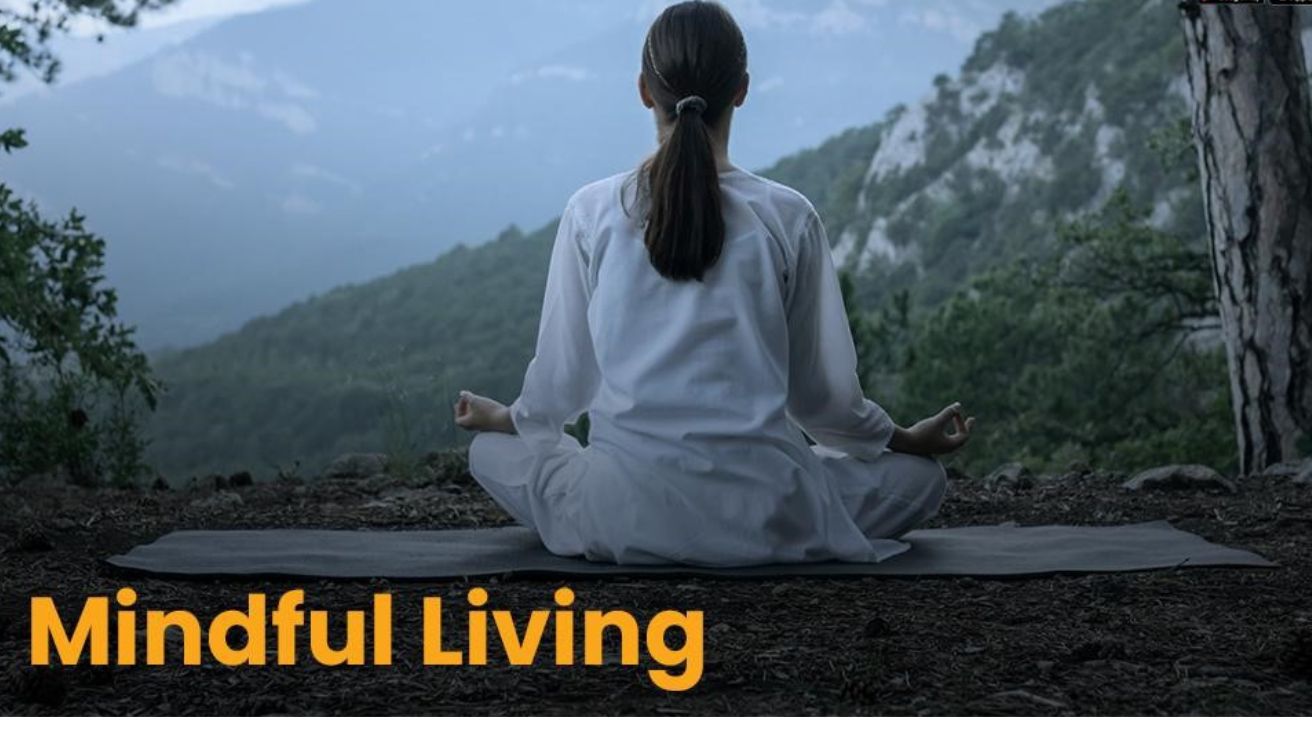
Mindful Living: The Secret to a Healthier & HappierΒ Life

Mindful Living: The Secret to a Healthier & HappierΒ Life

Mindful Living is the practice of staying fully present and aware in daily life. By integrating mindfulness exercises, meditation, and conscious habits like mindful eating, breathing, and listening, it reduces stress, improves mental clarity, strengthens relationships, and enhances overall well-being. The Secret to a Healthier and Happier Life In our busy world, finding balance and peace can feel impossible. Mindful living offers a practical way to slow down, focus on the present, and create a healthier, happier life. It’s more than a trendβ€”it’s a lifestyle that blends ancient practices like mindfulness meditation with simple daily habits. Even small adjustments, such as mindful breathing, mindful eating, or brief mindfulness exercises, can reduce stress, improve focus, and strengthen emotional resilience. By embracing mindful living, you’re not just coping with life’s challengesβ€”you’re actively enhancing your mental, emotional, and physical well-being. Understanding Mindfulness What Mindfulness Means Mindfulness is the practice of paying full attention to the present moment without judgment. Unlike meditation, which often happens in a quiet, focused session, mindfulness can be integrated into everyday life, from washing dishes to walking in the park. The Science Behind Mindfulness Research shows that mindfulness helps regulate emotions, lowers stress, and can even boost brain function through neuroplasticity. People who practice mindfulness regularly report improved mental clarity, reduced anxiety, and enhanced overall well-being. Mindfulness vs. Meditation While mindfulness meditation is a structured practice, mindfulness itself is about awareness. You can meditate, walk mindfully, or simply focus on your breath throughout the day. Each method strengthens the brain’s capacity for focus and calm. Benefits of Mindful Living Mental Health Benefits Adopting mindful living can significantly reduce stress, anxiety, and depressive thoughts. By paying attention to your emotions and thoughts, you gain better control over reactions, leading to a calmer, more centered mind. Physical Health Benefits Mindfulness is linked to lower blood pressure, improved sleep, and stronger immune function. Even short daily practices can make a noticeable difference in overall health. Enhanced Focus and Relationships Mindfulness improves concentration, productivity, and emotional intelligence. By practicing mindful listening and compassion, you can strengthen relationships and communicate more effectively. Mindfulness in Daily Life Mindfulness at Work Incorporating mindfulness practices at work can dramatically reduce stress and improve focus. Simple techniques like mindful breathing during breaks or pausing to notice sensations while transitioning between tasks help maintain calm throughout the day. Techniques to Reduce Stress Short exercises, such as a two-minute breathing pause or mindful stretching, can reset your mind when deadlines loom. Using mindfulness meditation apps or guided sessions during lunch breaks also supports mental well-being. Over time, these small practices reduce chronic stress and increase resilience. Fostering a Mindful Corporate Culture Organizations can cultivate mindfulness by encouraging scheduled pauses, creating quiet spaces, and offering mindfulness workshops. A mindful corporate culture promotes collaboration, empathy, and better communication, benefiting both employees and the organization. Mindfulness in Parenting Mindful living isn’t limited to adultsβ€”it can greatly benefit families. Parents and caregivers can practice mindfulness exercises to stay present and calm, even during challenging moments. Simple habits like paying full attention to your child during playtime or mealtimes foster connection and emotional regulation. Encouraging Mindfulness in Children Introduce children to short breathing exercises, gratitude practices, or guided meditations. Teaching mindfulness early helps children manage emotions, focus better, and develop empathy. Mindful Relationships Mindfulness enhances relationships by encouraging active listening and presence. Paying attention to your partner’s words, tone, and body language fosters deeper connection. Incorporating regular mindfulness practices, such as shared mindful walks or gratitude reflections, strengthens bonds and communication. Techniques to Enhance Connection Use mindful communication: pause before responding, avoid multitasking during conversations, and acknowledge feelings without judgment. These practices improve empathy and create healthier, more fulfilling relationships. Practical Tips for Daily Mindfulness Starting with small changes You don’t need hours of meditation. Begin with five minutes of deep breathing or a brief body scan meditation each morning. Integrate Mindfulness into Routine Activities Turn everyday tasks into opportunities for mindfulness. Eat slowly, notice each bite, and fully engage your senses. Walk mindfully by focusing on your steps and surroundings. Create a Mindful Environment Declutter your space, spend time in nature, and minimize distractions. A calm environment naturally encourages mindfulness and reduces stress. Overcoming Challenges Common Obstacles Busy schedules and wandering thoughts make mindfulness challenging. It’s normal to feel distracted at first. Addressing Misconceptions Mindfulness is not about β€œemptying your mind” or achieving perfection. It’s about awareness, acceptance, and consistent practice. Even a few mindful moments a day contribute to long-term benefits. Getting Started Today Simple Steps to Begin Consistency Matters Like any habit, mindfulness grows stronger with practice. Start small, be patient, and gradually expand your mindfulness routines into work, parenting, and relationships. FAQs Q1: What is mindful living?A: Mindful living is paying attention to the present moment intentionally, with awareness of thoughts, emotions, and surroundings. Q2: How is mindfulness different from meditation?A: Meditation is structured, while mindfulness can be practiced anytime in daily activities. Both improve focus and emotional regulation. Q3: Can mindfulness improve physical health?A: Yes. Mindfulness can lower blood pressure, improve sleep, and strengthen the immune system. Q4: Is mindful living suitable for beginners?A: Absolutely. Start with short exercises, such as mindful breathing or walking, and gradually build your practice.