


Natural Health Solutions, Stress and Mental Health
10 Ways How to Stay Calm and Centered in a Busy World

Oct
The best ways to stay calm and centered in a busy world include mindfulness, deep breathing, balanced routines, healthy boundaries, and digital detoxes. These simple daily practices help reduce stress, boost emotional balance, and restore peace of mind even in a fast-paced lifestyle.
Introduction
In today’s hectic, always-connected world, it’s easy to feel overwhelmed. The constant flow of information, tight schedules, and daily demands often make calmness feel out of reach. But learning how to stay calm and centered in a busy world isn’t about escaping stress—it’s about managing it mindfully.
Small lifestyle adjustments, like practicing mindfulness meditation, setting healthy boundaries, and maintaining a daily routine for calm, can help you stay grounded. This guide explores ten proven habits that nurture peace, balance, and inner stillness—even when life gets chaotic.
Understand What It Means to Be Calm and Centered
Before you can truly master how to stay calm and centered in a busy world, it helps to understand what being centered actually means. Staying centered means maintaining inner stability and emotional balance even when external chaos surrounds you.
According to research, mindfulness helps regulate stress hormones like cortisol and supports mental clarity. Recognizing your emotional triggers and learning to respond calmly rather than react impulsively is the foundation of a peaceful life. Awareness is always the first step toward calm.
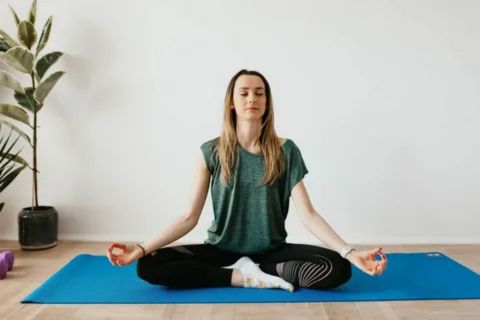
Practice Daily Mindfulness and Meditation
Mindfulness meditation is one of the most effective ways to manage anxiety and stress naturally. Spend 5–10 minutes each morning sitting quietly, focusing on your breath, or repeating a calming mantra.
If sitting still feels hard, try guided meditation apps or short mindful walking sessions. Consistent meditation strengthens focus, promotes inner peace, and builds resilience. Over time, these quiet moments create the mental space you need to remain centered no matter how fast-paced life becomes.
Use Breathing Exercises to Reset Your Mind
When stress peaks, your breathing often becomes shallow—triggering more anxiety. Practicing deep breathing techniques can instantly reset your body’s stress response.
Try the 4-7-8 method: inhale for four seconds, hold for seven, and exhale for eight. This technique reduces tension and lowers your heart rate. Another simple option is box breathing, where you inhale, hold, exhale, and pause for four seconds each. These quick, effective breathing exercises can help you regain calm anywhere—whether at work, in traffic, or during emotional moments.
Create a Morning Routine for Calm
Your morning sets the tone for your entire day. A structured daily routine for calm helps you stay balanced and focused. Start by waking up early, stretching, and practicing gratitude or journaling before checking your phone.
Avoid rushing or consuming stressful content first thing in the morning. Instead, begin with quiet rituals—like meditation, mindful coffee sipping, or affirmations—that ground your energy. A calm morning routine strengthens your ability to remain centered throughout the day.
Set Healthy Boundaries and Learn to Say No
Saying yes to everything leads to burnout. Learning to say no is a powerful act of self-care. Establishing healthy boundaries helps you protect your emotional space and maintain balance.
You can still be kind and supportive while prioritizing your well-being. Politely decline tasks that drain your energy or set limits on work hours. Protecting your time allows space for self-care routines and recharging—both essential for staying calm and centered in a busy world.
Move Your Body to Release Stress
Movement isn’t just for fitness—it’s one of the best tools for stress management. Gentle exercise like yoga, stretching, or walking boosts endorphins and reduces stress hormones.
Mindful walking, where you focus on each step and breath, helps reconnect body and mind. Even short movement breaks during your day improve circulation and mood. Regular activity supports emotional balance, improves sleep, and keeps your body aligned with your calm mind.

Disconnect Through a Digital Detox
Modern life is full of digital noise—emails, social media, and endless notifications. Constant screen exposure overstimulates the brain and increases anxiety. Schedule digital detox periods each day to reset.
Turn off unnecessary alerts, limit social media, and unplug at least one hour before bed. Replace screen time with reading, journaling, or spending time outdoors. Disconnecting allows your mind to recharge, restoring mental clarity and calm in a busy digital world.
Journal and Reflect to Recenter
Journaling is one of the simplest ways to process your thoughts and emotions. Take 5–10 minutes each evening to reflect on your day—write down what you’re grateful for, what challenged you, and what you learned.
This habit builds self-awareness, helping you identify stress patterns and emotional triggers. When you express your thoughts on paper, your mind feels lighter and more organized. Over time, reflection leads to deeper inner peace and helps you approach life with more mindfulness.

Find Peace in Nature and Quiet Spaces
Nature is a powerful healer. Spending even 10–15 minutes outside daily can significantly reduce stress and anxiety. Walk barefoot on grass, listen to birds, or simply sit under the sunlight.
If you live in a city, create a peaceful environment indoors—light candles, use calming scents, or listen to soft music. Being surrounded by quietness helps you reconnect with yourself and stay grounded in a world that never stops moving.
Frequently Asked Questions (FAQ)
Q1. What’s the fastest way to stay calm during stress?
The quickest way to calm down is to pause and take deep, slow breaths. Focus on your breathing pattern—it helps lower your heart rate and reduces anxiety within minutes.
Q2. How can I stay centered at work?
Take short breaks every hour, stretch, and avoid multitasking. Create a clutter-free workspace and use mindfulness reminders to stay focused and balanced.
Q3. Does meditation really help in a busy lifestyle?
Yes. Just 10 minutes of mindfulness meditation daily can improve concentration, reduce stress, and build long-term resilience against overwhelm.
Q4. How do I stay calm in chaotic situations?
Pause before reacting, breathe deeply, and ground yourself by focusing on your senses. Remember—you can’t always control circumstances, but you can control your response.


Thanks for sharing. I read many of your blog posts, cool, your blog is very good.
Your point of view caught my eye and was very interesting. Thanks. I have a question for you. https://accounts.binance.info/ES_la/register-person?ref=VDVEQ78S
Can you be more specific about the content of your article? After reading it, I still have some doubts. Hope you can help me.
Your point of view caught my eye and was very interesting. Thanks. I have a question for you.
Thank you for your sharing. I am worried that I lack creative ideas. It is your article that makes me full of hope. Thank you. But, I have a question, can you help me? https://accounts.binance.bh/register/person?ref=JW3W4Y3A
The installation process was a breeze and the app runs perfectly on my phone without any lag. Definitely the best way to get the game via wa777gamedownloadapk.