


Herbal Medicine
6 Herbal Remedies for Stomach Pain & Indigestion Relief

Oct
Herbal remedies like ginger, peppermint, fennel, chamomile, ajwain, and paneer doda naturally ease stomach pain by reducing gas, acidity, and inflammation.
Why Does Stomach Pain Occur and How Do Herbs Help?
Most stomach pain comes from temporary issues like acidity, gas, or overeating. In some cases, poor diet, stress, or mild infections trigger digestive discomfort and bloating. The best herbal remedies for stomach pain relax gut muscles, reduce trapped gas, and soothe irritation in the digestive lining. Herbs like ginger and fennel also enhance gastric motility, facilitating the smooth passage of food through the digestive system.
Best Herbal Remedies for Stomach Pain
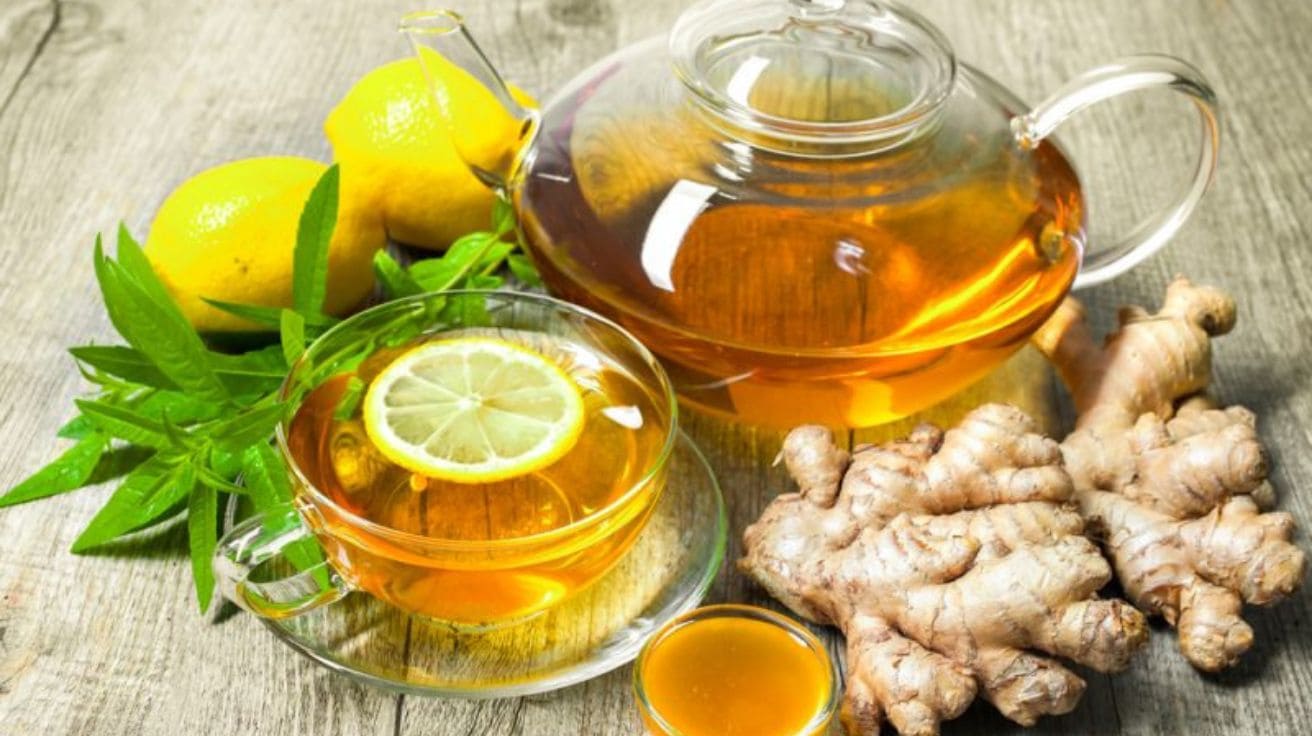
1. Ginger Tea (Adrak)
Key Ingredients: Fresh ginger root (about 1-inch piece).
How to Use: Boil in one cup of water and sip warm twice daily.
Benefits: Ginger aids digestion, reduces nausea, and calms inflammation. It supports faster gastric emptying and helps relieve cramping and bloating, making it ideal for natural stomach pain relief.
Precautions: Avoid high doses if taking blood-thinning medication.
2. Peppermint / Podina
Key Ingredients: Peppermint leaves or peppermint oil.
How to Use: Steep 1 tsp of leaves in hot water, or take 1–2 tsp of syrup after meals.
Benefits: Menthol relaxes intestinal muscles, easing gas and abdominal cramps. A top choice among herbal teas for an upset stomach, peppermint also helps reduce feelings of fullness after heavy meals.
Precautions: Not suitable for people with acid reflux.
Use Johar-e-Podina Syrup, Pepper Mint Syrup, and Podina Syrup.

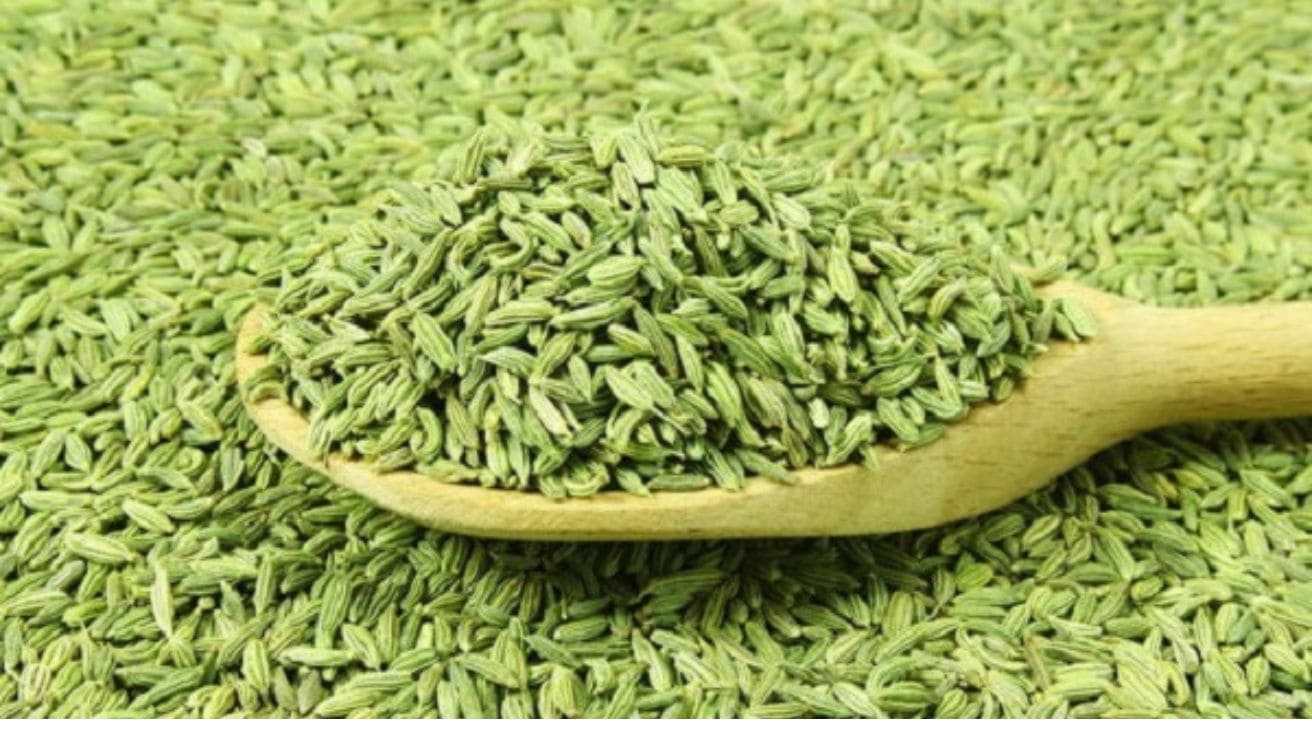
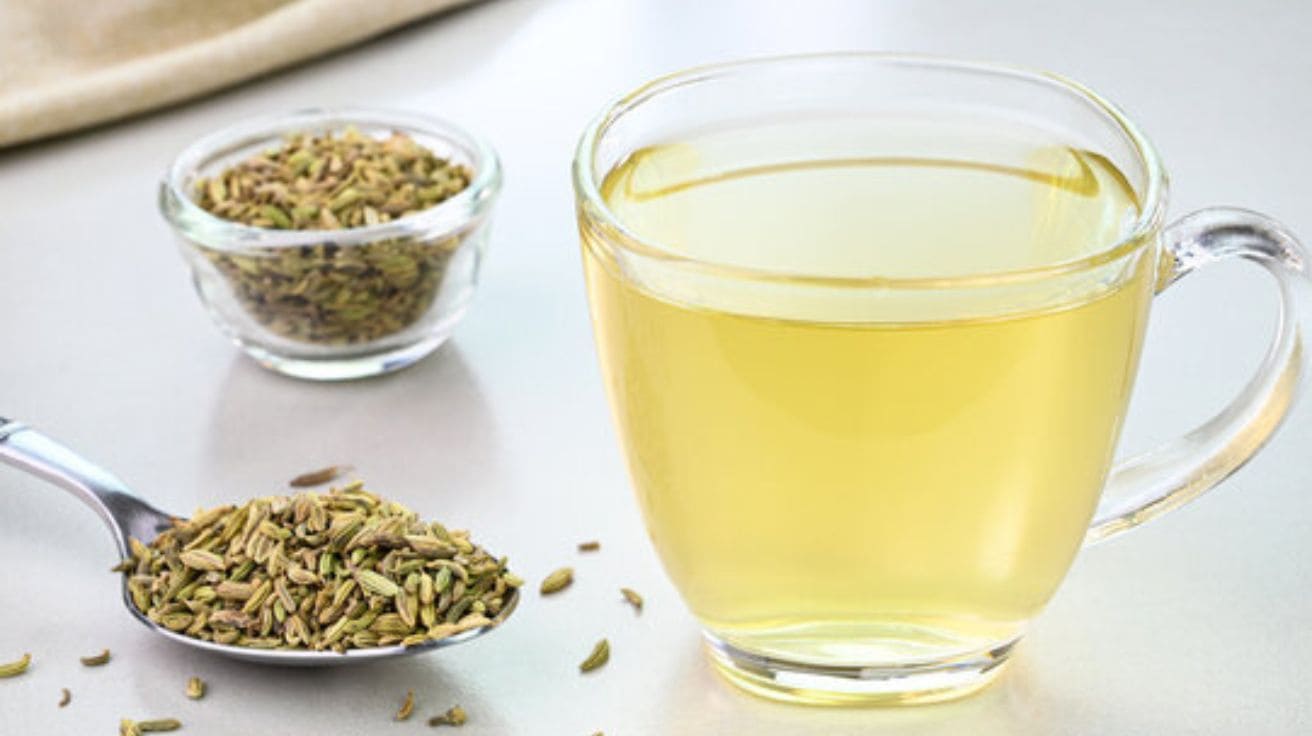
3. Fennel Seeds (Saunf)
Key Ingredients: Whole fennel seeds.
How to Use: Chew 1 tsp after meals or brew as tea.
Benefits: Acts as a carminative herb that relieves gas, bloating, and mild indigestion. Fennel supports enzyme activity and eases flatulence.
Precautions: Generally safe; may have a light diuretic effect.
4. Chamomile Tea (Babune)
Key Ingredients: Dried chamomile flowers.
How to Use: Steep 1 tsp in hot water for 5 minutes; drink 1–2 cups daily.
Benefits: Soothes gastritis, inflammation, and cramps; promotes relaxation and balanced digestion.
Precautions: Avoid if allergic to ragweed or related plants.

5. Ajwain / Carom Seeds
Key Ingredients: Raw ajwain seeds.
How to Use: Boil 1 tsp seeds in a cup of water; sip warm.
Benefits: Provides quick relief from acidity and gas pain, helping to digest heavy foods. Excellent for home remedies for gas and bloating.
Precautions: Avoid in pregnancy due to possible uterine stimulation.
6. Withania Coagulans (Paneer Doda)
Key Ingredients: Dried paneer, doda fruit powder.
How to Use: Mix 1 tsp powder with water and a pinch of salt; take once daily.
Benefits: Reduces abdominal pain and acidity; supports liver and digestive health; mildly anti-inflammatory.
Precautions: May lower blood sugar; use under guidance for diabetics.

How to Prepare and Use Herbal Remedies Safely
For best results, use clean water and fresh ingredients. Herbal teas should be steeped for at least five minutes to extract beneficial oils. You can also combine herbs — for instance, ginger and fennel tea, or chamomile with peppermint — for enhanced relief.
Avoid adding too much sugar; a drop of honey works fine. Most herbal remedies for stomach pain are safe for daily use in moderate amounts. Always store herbs in airtight containers. If symptoms persist, consult a qualified healthcare expert.
Safety, Interactions, and When to Avoid Herbs
Even natural ingredients can interact with medicines. Ginger may thin blood, peppermint can worsen reflux, and ajwain isn’t suitable during pregnancy. People with diabetes or blood pressure medication should use herbs like paneer doda cautiously.
Always check with a healthcare provider before combining herbal remedies for stomach pain with prescription drugs, especially if you have chronic gastritis or ulcers.
FAQs
Q1. Which herb works fastest for stomach pain?
Ajwain or ginger often provides rapid relief from gas and acidity.
Q2. Can I drink herbal teas every day?
Yes. Chamomile, fennel, or ginger tea can be taken daily for gentle digestive support.
Q3. Are these herbs safe for kids?
Mild options, such as fennel or chamomile tea, are safe in small amounts. Avoid strong peppermint oils.
Q4. What if pain doesn’t improve?
If natural remedies for stomach pain fail within a few days, consult a healthcare professional to rule out ulcers or other underlying conditions.


Can you be more specific about the content of your article? After reading it, I still have some doubts. Hope you can help me.
Your article helped me a lot, is there any more related content? Thanks! https://www.binance.info/register?ref=IXBIAFVY
Your point of view caught my eye and was very interesting. Thanks. I have a question for you. https://accounts.binance.com/fr-AF/register-person?ref=JHQQKNKN
Your point of view caught my eye and was very interesting. Thanks. I have a question for you. https://accounts.binance.com/si-LK/register-person?ref=LBF8F65G
Can you be more specific about the content of your article? After reading it, I still have some doubts. Hope you can help me.
Your article helped me a lot, is there any more related content? Thanks! https://www.binance.bh/register?ref=MBLCVVZG
Thank you for your sharing. I am worried that I lack creative ideas. It is your article that makes me full of hope. Thank you. But, I have a question, can you help me?
Thank you for your sharing. I am worried that I lack creative ideas. It is your article that makes me full of hope. Thank you. But, I have a question, can you help me? https://accounts.binance.bh/register/person?ref=JW3W4Y3A
Thanks for sharing. I read many of your blog posts, cool, your blog is very good. https://www.binance.bh/register?ref=IXBIAFVY
Your point of view caught my eye and was very interesting. Thanks. I have a question for you. https://www.binance.bh/register?ref=MBLCVVZG