Free delivery is available on orders of Rs. 2,000 or more. Shop Now
Certified
mind-body connection Archives - Blossom Labs

Tag Archives: mind-body connection

How to Live a Holistic Lifestyle and Feel Your Best For Body

How to Live a Holistic Lifestyle

A holistic lifestyle means caring for your body, mind, emotions, and spirit as one connected system. Holistic Lifestyle A holistic lifestyle is a β€œwhole-person” approach to health that values the interconnection between physical, mental, emotional, and spiritual well-being. The idea is that neglecting one area of life, such as sleep, diet, or emotional health, can impact everything else. Holistic Principles Core Components: The main components of holistic living include physical health, emotional stability, mental clarity, and spiritual growth. Together, they form the foundation of a well-rounded life that emphasizes harmony, purpose, and mindful living. How to Start Living Holistically: A Step-by-Step Plan Step Action Description Step 1 Clarify Values and Set Realistic Goals Define what matters mostβ€”health, peace, or purpose. Set small, achievable goals for each area of life. Step 2 Start Small Daily Habits Focus on hydration, quality sleep, and 5 minutes of mindfulness. Small habits lead to big changes. Step 3 Improve Nutrition Choose whole foods and reduce processed items. Practice mindful eating and listen to your body’s signals. Step 4 Move with Joy Exercise in ways you enjoyβ€”walk, dance, stretch, or do yoga. Movement should feel natural, not forced. Step 5 Simplify & Connect Declutter your environment, set tech limits, and build supportive relationships for emotional balance. The 6 Core Pillars of Holistic Living 1.Physical Health Regular movement and restorative sleep support energy, immunity, and longevity. Exercise doesn’t have to mean intense workoutsβ€”walking, yoga, or stretching improve circulation and reduce stress. Prioritizing quality sleep enhances recovery and emotional balance. 2.Nutrition Food fuels every system in the body. Choose whole foods, fruits, vegetables, and lean proteins while minimizing processed items. Mindful eatingβ€”chewing slowly and listening to hunger cuesβ€”helps create a positive relationship with food and encourages intuitive eating. 3.Mental & Emotional Well-being Managing stress through meditation, journaling, or therapy enhances mental clarity. Mindfulness practices improve focus and resilience, helping you stay calm under pressure. 4.Social & Relationships Healthy connections support emotional stability. Surround yourself with people who inspire growth and set clear boundaries to protect your mental space. 5.Environment A toxin-free environment reduces stress and supports sustainable living. Spending time outdoors strengthens the mind-body connection. 6.Purpose & Spiritual Growth Living with purpose gives direction. Reflecting on personal values, practicing gratitude, and connecting with something greater fosters inner peace and fulfillment. Benefits of Adopting a Holistic Lifestyle Living a holistic lifestyle means nurturing your body, mind, and spirit as one connected system. When you focus on balance instead of extremes, life feels more grounded and meaningful. Physical Benefits Holistic living improves overall physical health. Eating whole foods, staying active, and getting enough sleep boost immunity, energy, and recovery. These habits also reduce inflammation, aid digestion, and promote better focus by avoiding processed foods. Emotional and Mental Benefits A holistic approach enhances emotional well-being. Practices like mindfulness, stress management, and self-care calm anxiety and clear the mind. Journaling, meditation, and positive relationships build resilience and help you feel more centered and confident in daily life. Spiritual Benefits Holistic living nurtures the spirit through awareness, gratitude, and purpose. When your actions align with your values, you experience inner peace, fulfillment, and a deeper connection to yourself and others. Common Challenges in Transitioning to a Holistic Lifestyle Shifting toward a holistic lifestyle can be both exciting and challenging. While balanced living sounds simple, it requires consistency, self-awareness, and patience. 1. Resistance to Change One major challenge is overcoming resistance. Many people struggle with perfectionism or fear of failure when starting new habits. Trying to change everything at onceβ€”diet, exercise, mindfulnessβ€”can feel overwhelming. Focus on one or two healthy habits, such as improving sleep quality or incorporating whole foods into your diet. Celebrate small wins because progress matters more than perfection. Gradual steps build confidence and long-term success. 2. Balancing Time and Responsibilities Lack of time is another common obstacle. With work, family, and other duties, self-care may feel unrealistic. However, time management is part of holistic health. Schedule wellness activities like meditation, stretching, or meal prep just like any appointment. Even 10 minutes of a mindful routine can set a positive tone and prevent burnout. 3. Finding Reliable Resources It’s easy to get lost in misleading wellness information online. Identifying credible sources is key to staying safe and effective. Look for certified holistic coaches, reputable publications, or verified practitioners. Learn from trusted experts and avoid quick fixes. Reliable guidance ensures your journey aligns with your values. FAQs Q1: Is a Holistic Lifestyle a Religion?No. Holistic living isn’t tied to any religion β€” it’s about personal wellness, awareness, and self-care practices that fit your values. Q2: Can I Live a Holistic Lifestyle in a Busy City?Yes! Practice mindfulness, maintain a self-care routine, and create peaceful spaces even in small areas. Q3: What Are Some Quick Healthy Living Tips for Beginners?Hydrate, eat real food, move daily, and unplug regularly. Consistency builds holistic wellness.
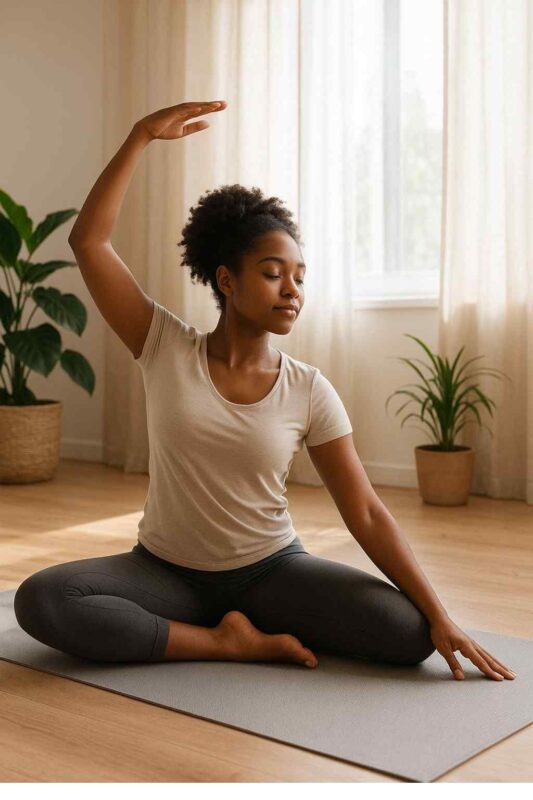

Gentle Movements That Help the Body Heal and Recover

A woman practices gentle seated yoga stretches on a mat in a sunlit room, surrounded by indoor plants, promoting calmness, healing, and body recovery.

Gentle movements that help the body heal and recover support the body’s natural repair processes by improving circulation, increasing flexibility, reducing stress, and enhancing overall well-being. Incorporating practices like yoga, Tai Chi, Pilates, and mindful walking into your routine can safely aid recovery, restore mobility, and boost both physical and mental health. Introduction Healing isn’t always about pushing your limitsβ€”it’s often about slowing down. Gentle movements that help the body heal and recover focus on small, mindful actions that restore balance, improve circulation, and calm the nervous system. Whether you’re recovering from an injury, surgery, or just daily fatigue, gentle exercise allows your body to rebuild strength safely and effectively. Simple practices like healing stretches, low-impact yoga, or restorative movement routines help maintain flexibility, reduce stiffness, and support emotional well-being. These movements activate the body’s natural repair processes while lowering stress hormones and easing tension. When done consistently, mindful movement practices become more than physical activityβ€”they’re a holistic way to reconnect with your body’s rhythm. The Science Behind Gentle Movements Gentle movements that help the body heal and recover work by improving blood flow, enhancing oxygen delivery, and reducing inflammation. These low-impact exercises activate the parasympathetic nervous system, which promotes relaxation and accelerates tissue repair. Unlike intense workouts, gentle movement keeps muscles flexible and joints lubricated without adding stress to the body. From a mental health perspective, mind-body connection practices like yoga or Tai Chi lower cortisol levels, supporting emotional balance and recovery. Studies show that consistent, slow movement encourages the release of endorphinsβ€”natural chemicals that reduce pain and boost moodβ€”making gentle exercise an essential part of both physical and emotional healing. Top Gentle Movements for Healing and Recovery Several forms of gentle movements that help the body heal and recover are highly effective for both physical and mental restoration. Yoga offers poses like Child’s Pose, Cat-Cow, and Legs Up the Wall, which enhance flexibility, relieve tension, and improve circulation. Tai Chi uses slow, deliberate motions to strengthen balance, coordination, and energy flow. Pilates focuses on low-impact exercises that build core strength and support proper posture, making it ideal for injury prevention and rehabilitation. Even simple mindful walking or short stretches throughout the day promote joint mobility, cardiovascular health, and stress reduction. For beginners or seniors, chair exercises and gentle mobility routines provide safe alternatives to maintain movement and foster natural recovery, ensuring the body gradually rebuilds strength and resilience. How to Incorporate Gentle Movements Into Your Routine Integrating gentle movements that help the body heal and recover into your daily life doesn’t have to be complicated. Start with short, manageable sessionsβ€”10 to 15 minutes of healing stretches, low-impact yoga, or mindful walkingβ€”and gradually increase duration as your body adapts. Consistency is key; daily practice reinforces restorative movement routines and strengthens the mind-body connection. Focus on mindfulness during each movement, paying attention to breath and body sensations. This approach enhances relaxation, reduces stress, and maximizes the benefits of each exercise. Over time, these gentle mobility exercises can improve flexibility, joint health, and overall recovery, creating a sustainable, holistic wellness routine. Precautions and Considerations While gentle movements that help the body heal and recover are safe for most people, it’s important to approach them mindfully. Always consult a healthcare professional before starting a new routine, especially after surgery, injury, or chronic conditions. Listen closely to your bodyβ€”discomfort or pain is a signal to adjust intensity or modify the exercise. Avoid overexertion and progress gradually to prevent setbacks. Incorporating post-surgical rehabilitation exercises, range of motion movements, and low-impact workouts for recovery can safely support healing when done correctly. Using props, modifying poses, or performing exercises seated ensures accessibility while maintaining the benefits of gentle, restorative movement. Precaution Explanation Consult a healthcare provider Ensures exercises are safe for your specific condition or recovery stage. Listen to your body Stop or modify movements if you experience pain or discomfort. Progress gradually Increase duration and intensity slowly to prevent strain or injury. Use props or modifications Chairs, blocks, or cushions make exercises safer and more accessible. Focus on breath & mindfulness Enhances relaxation, reduces stress, and maximizes healing benefits. FAQs About Gentle Movements That Help the Body Heal and Recover Q1: Which gentle movements are best after an injury?After an injury, low-impact exercises like gentle yoga, Tai Chi, Pilates, and mindful walking are ideal. These movements enhance circulation, improve flexibility, and reduce stiffness while promoting natural recovery without adding stress to healing tissues. Q2: How long should I practice daily?Start with 10–20 minutes per session and gradually increase to 30–45 minutes as your strength and endurance improve. Consistent practice reinforces restorative movement routines and helps maintain mobility and joint health. Q3: Can gentle movements reduce stress?Yes. Practices like mindful stretching, yoga, and Tai Chi activate the parasympathetic nervous system, lowering cortisol levels, improving mood, and supporting emotional and physical healing. Q4: Are these exercises suitable for seniors?Absolutely. Seniors can use chair exercises, gentle mobility routines, and low-impact movements to maintain flexibility, balance, and strength safely. Q5: How soon will I see results?Results vary depending on your health and consistency. Many people notice improved flexibility, reduced tension, and enhanced energy within a few weeks, while long-term benefits like muscle recovery and improved posture develop with consistent practice.