


Natural Health Solutions
Gentle Movements That Help the Body Heal and Recover
Oct
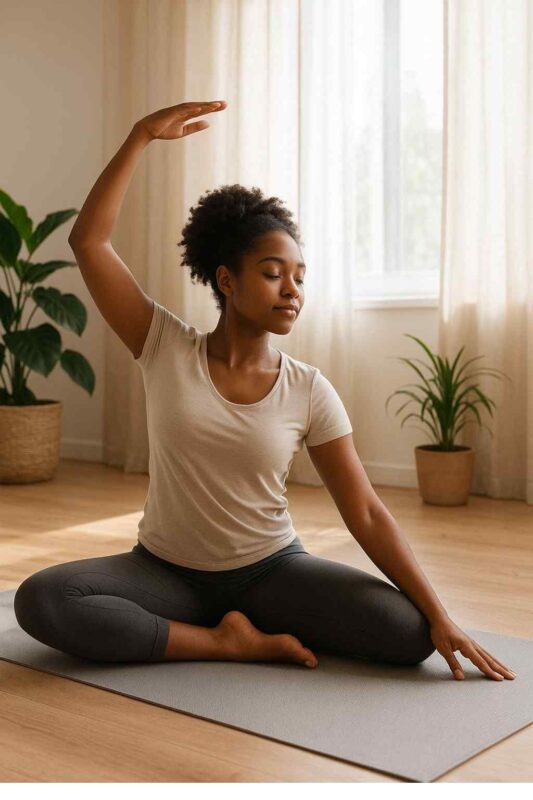
Gentle movements that help the body heal and recover support the body’s natural repair processes by improving circulation, increasing flexibility, reducing stress, and enhancing overall well-being.
Incorporating practices like yoga, Tai Chi, Pilates, and mindful walking into your routine can safely aid recovery, restore mobility, and boost both physical and mental health.
Introduction
Healing isn’t always about pushing your limits—it’s often about slowing down. Gentle movements that help the body heal and recover focus on small, mindful actions that restore balance, improve circulation, and calm the nervous system. Whether you’re recovering from an injury, surgery, or just daily fatigue, gentle exercise allows your body to rebuild strength safely and effectively.
Simple practices like healing stretches, low-impact yoga, or restorative movement routines help maintain flexibility, reduce stiffness, and support emotional well-being. These movements activate the body’s natural repair processes while lowering stress hormones and easing tension.
When done consistently, mindful movement practices become more than physical activity—they’re a holistic way to reconnect with your body’s rhythm.
The Science Behind Gentle Movements
Gentle movements that help the body heal and recover work by improving blood flow, enhancing oxygen delivery, and reducing inflammation. These low-impact exercises activate the parasympathetic nervous system, which promotes relaxation and accelerates tissue repair. Unlike intense workouts, gentle movement keeps muscles flexible and joints lubricated without adding stress to the body.
From a mental health perspective, mind-body connection practices like yoga or Tai Chi lower cortisol levels, supporting emotional balance and recovery. Studies show that consistent, slow movement encourages the release of endorphins—natural chemicals that reduce pain and boost mood—making gentle exercise an essential part of both physical and emotional healing.
Top Gentle Movements for Healing and Recovery
Several forms of gentle movements that help the body heal and recover are highly effective for both physical and mental restoration. Yoga offers poses like Child’s Pose, Cat-Cow, and Legs Up the Wall, which enhance flexibility, relieve tension, and improve circulation. Tai Chi uses slow, deliberate motions to strengthen balance, coordination, and energy flow. Pilates focuses on low-impact exercises that build core strength and support proper posture, making it ideal for injury prevention and rehabilitation.
Even simple mindful walking or short stretches throughout the day promote joint mobility, cardiovascular health, and stress reduction. For beginners or seniors, chair exercises and gentle mobility routines provide safe alternatives to maintain movement and foster natural recovery, ensuring the body gradually rebuilds strength and resilience.
How to Incorporate Gentle Movements Into Your Routine
Integrating gentle movements that help the body heal and recover into your daily life doesn’t have to be complicated. Start with short, manageable sessions—10 to 15 minutes of healing stretches, low-impact yoga, or mindful walking—and gradually increase duration as your body adapts. Consistency is key; daily practice reinforces restorative movement routines and strengthens the mind-body connection.
Focus on mindfulness during each movement, paying attention to breath and body sensations. This approach enhances relaxation, reduces stress, and maximizes the benefits of each exercise. Over time, these gentle mobility exercises can improve flexibility, joint health, and overall recovery, creating a sustainable, holistic wellness routine.
Precautions and Considerations
While gentle movements that help the body heal and recover are safe for most people, it’s important to approach them mindfully. Always consult a healthcare professional before starting a new routine, especially after surgery, injury, or chronic conditions. Listen closely to your body—discomfort or pain is a signal to adjust intensity or modify the exercise. Avoid overexertion and progress gradually to prevent setbacks. Incorporating post-surgical rehabilitation exercises, range of motion movements, and low-impact workouts for recovery can safely support healing when done correctly. Using props, modifying poses, or performing exercises seated ensures accessibility while maintaining the benefits of gentle, restorative movement.
| Precaution | Explanation |
|---|---|
| Consult a healthcare provider | Ensures exercises are safe for your specific condition or recovery stage. |
| Listen to your body | Stop or modify movements if you experience pain or discomfort. |
| Progress gradually | Increase duration and intensity slowly to prevent strain or injury. |
| Use props or modifications | Chairs, blocks, or cushions make exercises safer and more accessible. |
| Focus on breath & mindfulness | Enhances relaxation, reduces stress, and maximizes healing benefits. |
FAQs About Gentle Movements That Help the Body Heal and Recover
Q1: Which gentle movements are best after an injury?
After an injury, low-impact exercises like gentle yoga, Tai Chi, Pilates, and mindful walking are ideal. These movements enhance circulation, improve flexibility, and reduce stiffness while promoting natural recovery without adding stress to healing tissues.
Q2: How long should I practice daily?
Start with 10–20 minutes per session and gradually increase to 30–45 minutes as your strength and endurance improve. Consistent practice reinforces restorative movement routines and helps maintain mobility and joint health.
Q3: Can gentle movements reduce stress?
Yes. Practices like mindful stretching, yoga, and Tai Chi activate the parasympathetic nervous system, lowering cortisol levels, improving mood, and supporting emotional and physical healing.
Q4: Are these exercises suitable for seniors?
Absolutely. Seniors can use chair exercises, gentle mobility routines, and low-impact movements to maintain flexibility, balance, and strength safely.
Q5: How soon will I see results?
Results vary depending on your health and consistency. Many people notice improved flexibility, reduced tension, and enhanced energy within a few weeks, while long-term benefits like muscle recovery and improved posture develop with consistent practice.


Thank you for your sharing. I am worried that I lack creative ideas. It is your article that makes me full of hope. Thank you. But, I have a question, can you help me? https://accounts.binance.info/en/register?ref=JHQQKNKN
Thank you for your sharing. I am worried that I lack creative ideas. It is your article that makes me full of hope. Thank you. But, I have a question, can you help me? https://accounts.binance.com/it/register/person?ref=P9L9FQKY
I don’t think the title of your article matches the content lol. Just kidding, mainly because I had some doubts after reading the article. https://www.binance.bh/futures/ref?code=W49FLGDN
Your point of view caught my eye and was very interesting. Thanks. I have a question for you.